
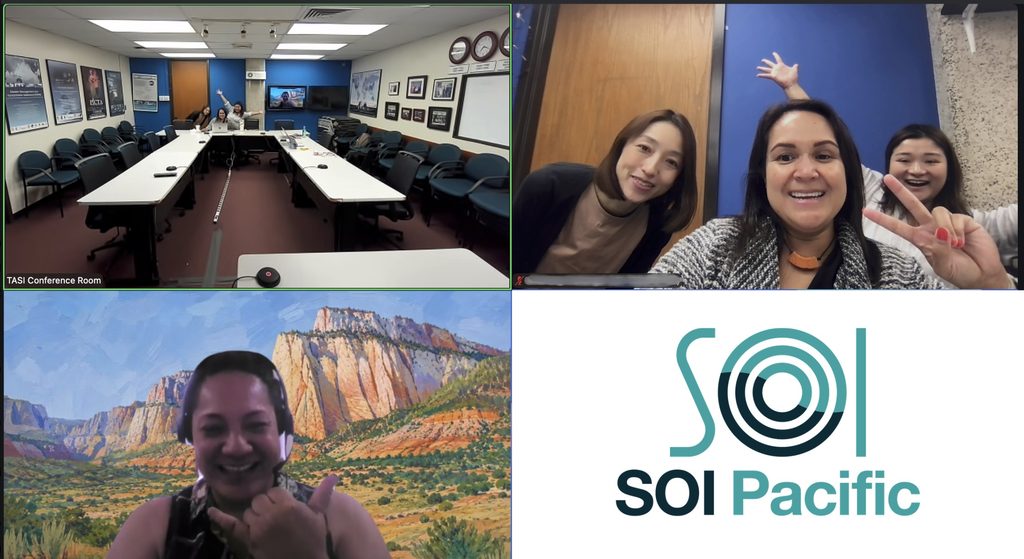
From 5 to 7 October 2026, members of the SOI Pacific team from Keio University and the University of Hawaiʻi came together in Hawaiʻi. The team held in-person meetings at the University of Hawaiʻi at Mānoa on 5 and 6 October, followed by field visits on 7 October.
Planning for the Next Steps for SOI Pacific
On 5 and 6 October, the team held two days of in-person discussions at the University of Hawaiʻi, reflecting on SOI Pacific’s activities in 2026 and looking ahead to the next phase of the project.
A central focus was the pilot program planned for 2027. The team discussed the program’s framework, content, and timeline, further developing ideas for its implementation. The discussions also covered preparations for the coming year and how the team would work together to move the program forward.
Through these discussions, the team reviewed its progress to date and worked towards a shared understanding of the priorities and direction for 2027.
Learning from Nature at Waimea Valley
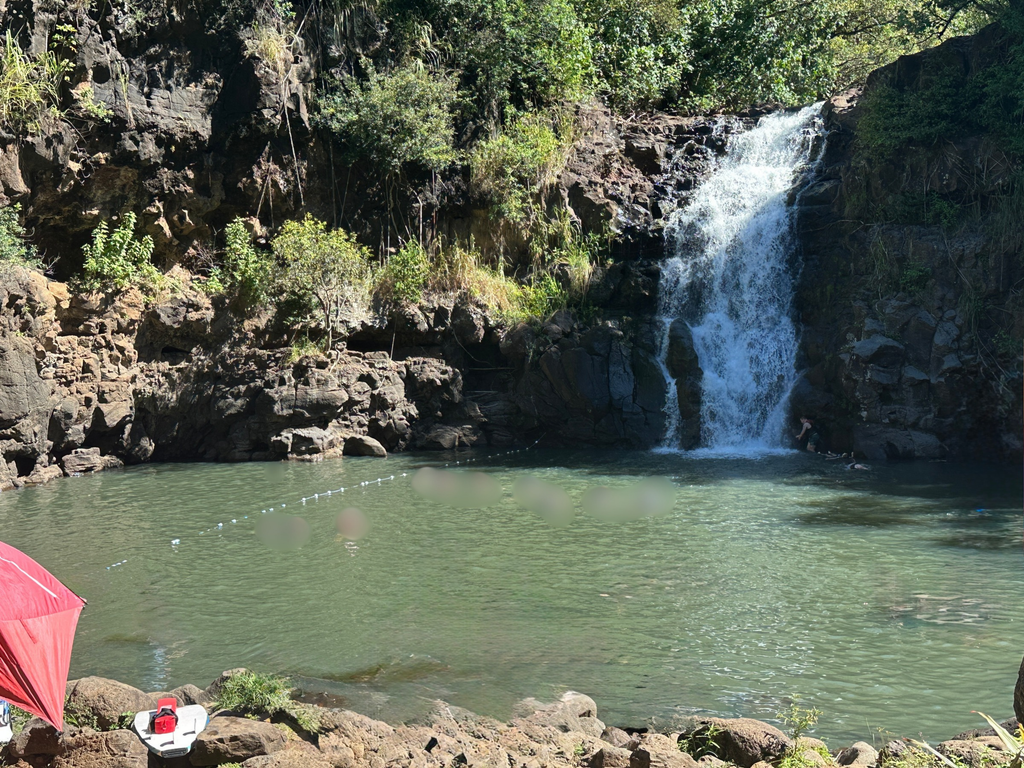
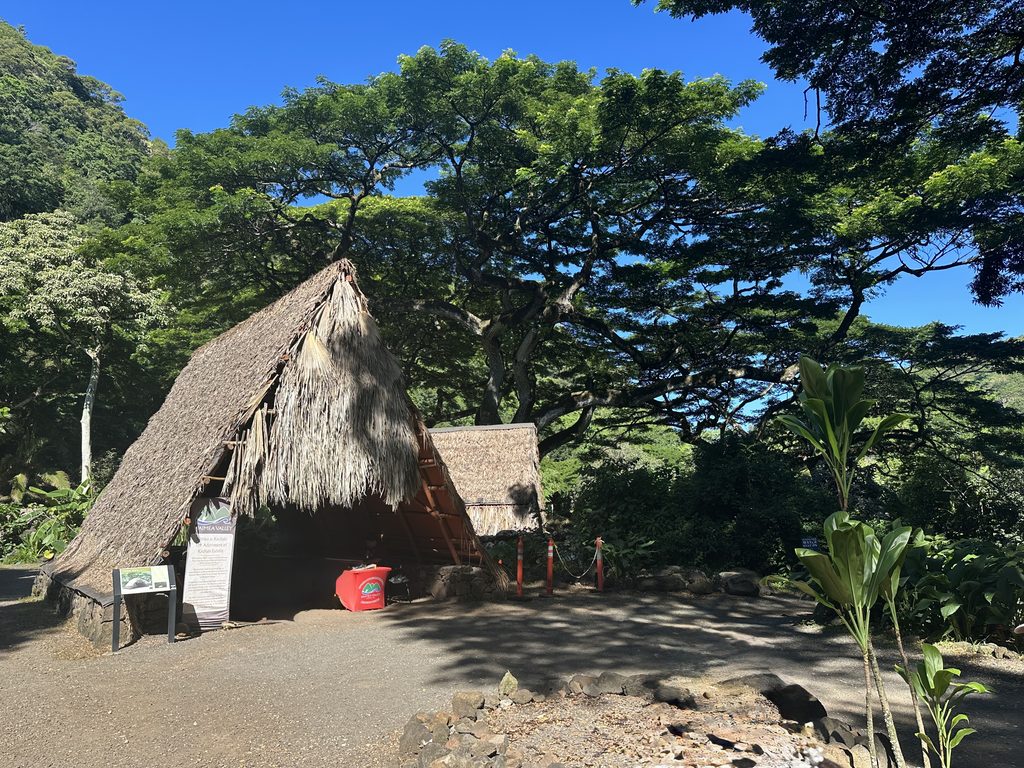
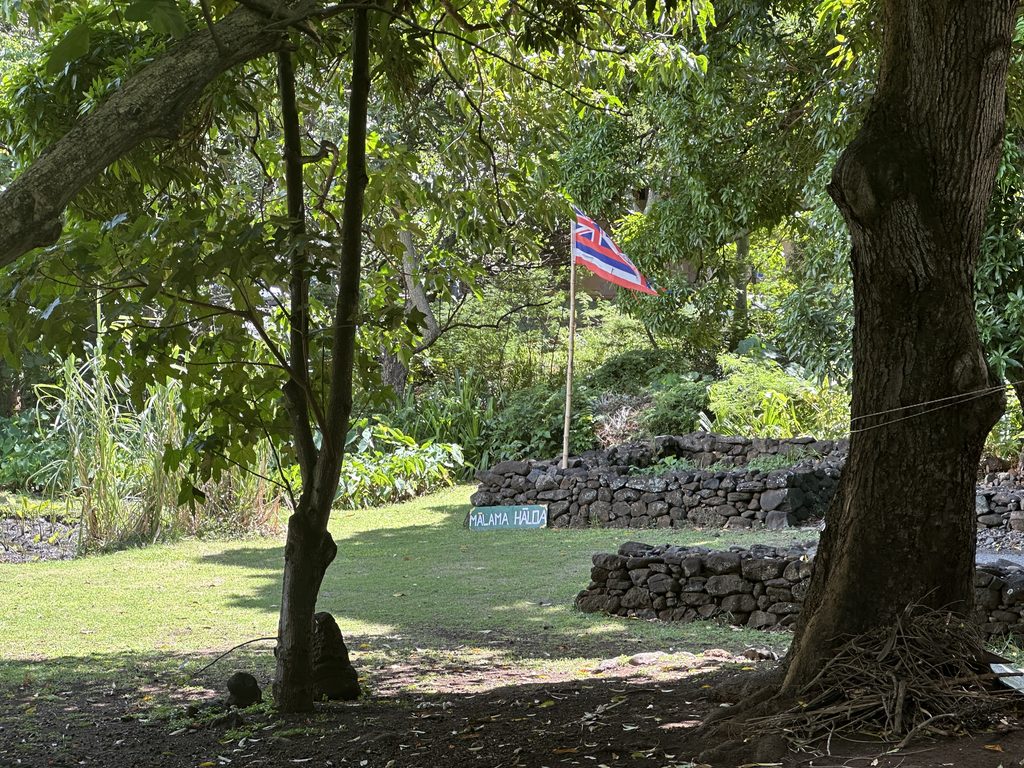
On 7 October, the team visited Waimea Valley for fieldwork in its botanical gardens. Guided by the site’s director, the team explored the valley and learned about its history and natural environment, with a focus on Hawaiʻi and the wider Pacific region.
The visit offered an opportunity to reflect on the connections between regional history, nature, and community, including how cultural and natural heritage can be shared with visitors. The gardens’ diverse plant life, including species from around the world, also provided a broader perspective on the connections between local and global environments.
Learning from Hawaiʻi’s Relationship with Water, Tradition, and Community
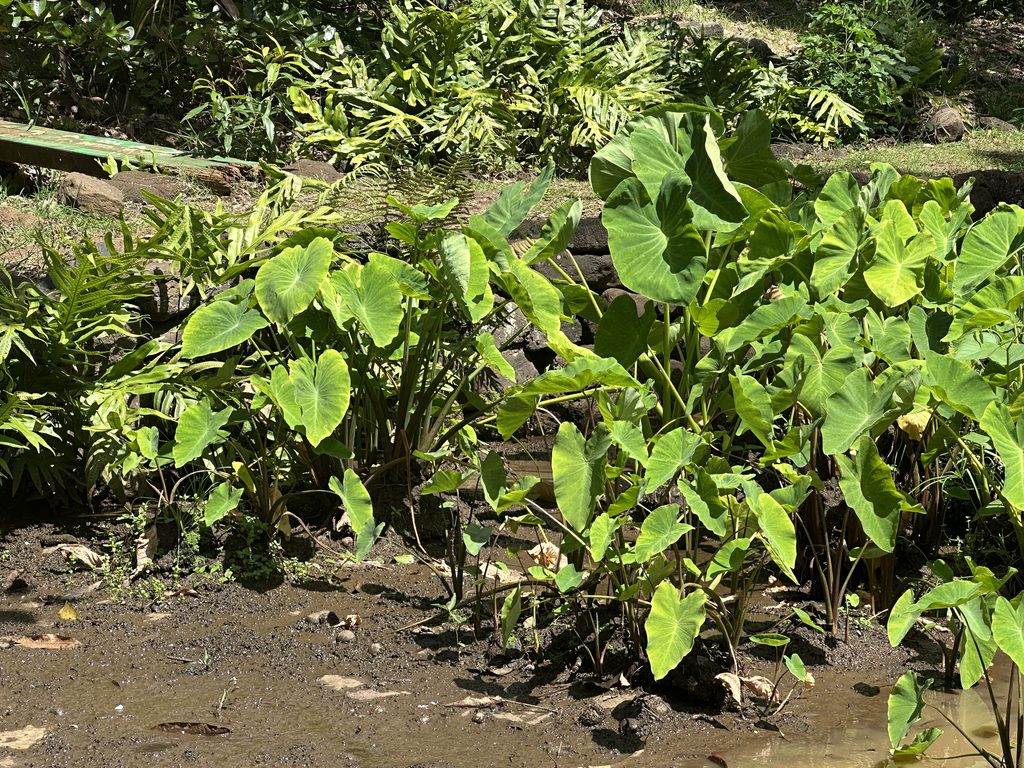
Members of the Keio team also visited the team at Ka Papa Loʻi ʻO Kānewai at the University of Hawaiʻi to learn about the connections between water, traditional practices, and community in Hawaiian culture, including the cultural significance of taro.
The visit highlighted the importance of passing on traditional knowledge and practices across generations and the role of community in sustaining these connections. These insights offered inspiration for future SOI Pacific programs that connect local knowledge, cultural heritage, and the natural environment.
Looking Ahead
The meetings and field visits provided opportunities for the SOI Pacific team to reflect on its progress in 2026, develop plans for 2027, and learn from Hawaiʻi’s cultural and natural environments. These experiences will help inform the continued development of the project’s educational activities.