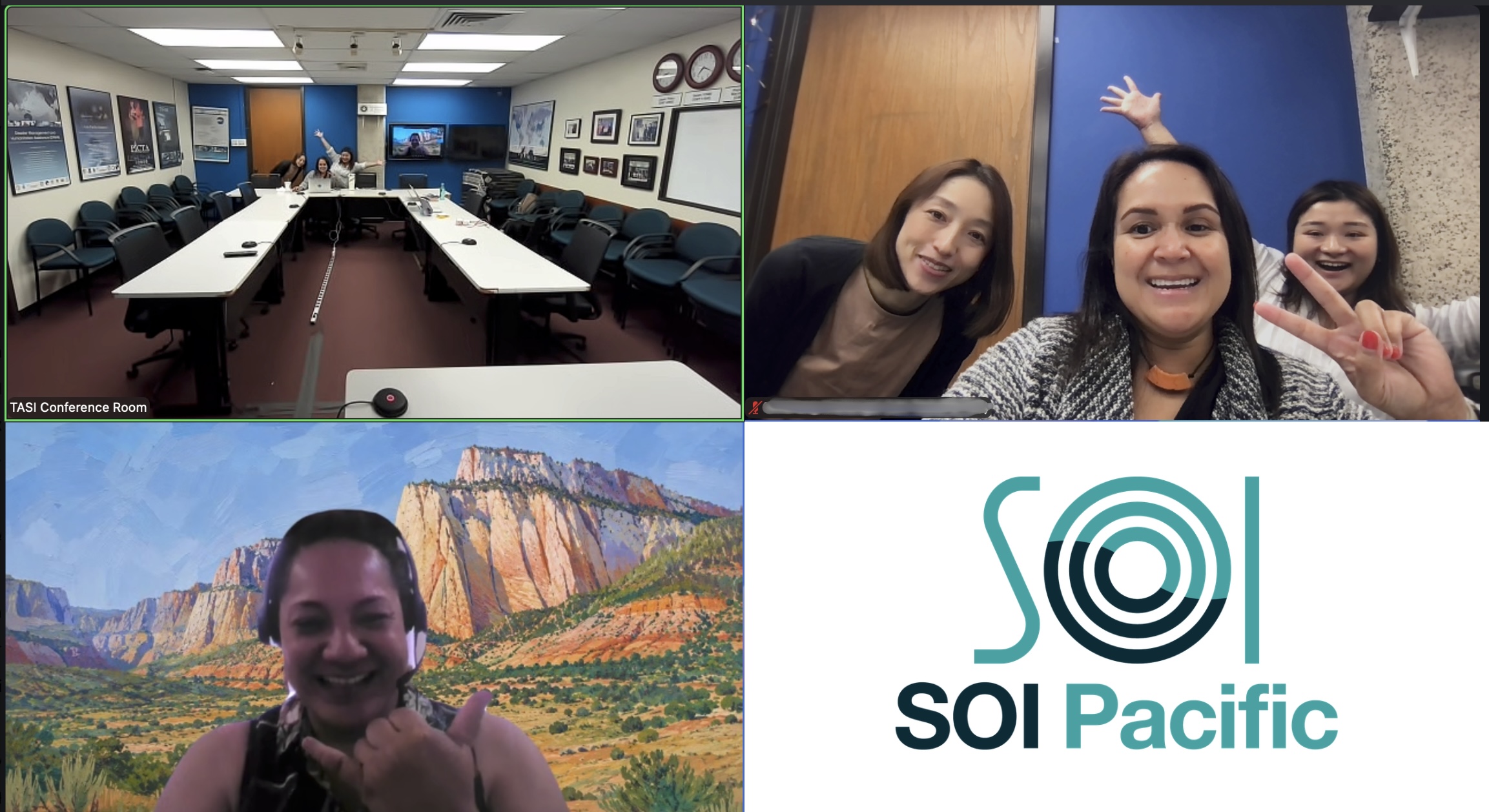
From 5 to 7 October 2026, members of the SOI Pacific team from Keio University and the University of Hawaiʻi came together in Hawaiʻi. The team held in-person meetings at the University of Hawaiʻi at Mānoa on 5 and 6 October, followed by field visits on 7 October.
Planning for the Next Steps for SOI Pacific
On 5 and 6 October, the team held two days of in-person discussions at the University of Hawaiʻi, reflecting on SOI Pacific’s activities in 2026 and looking ahead to the next phase of the project.
A central focus was the pilot program planned for 2027. The team discussed the program’s framework, content, and timeline, further developing ideas for its implementation. The discussions also covered preparations for the coming year and how the team would work together to move the program forward.
Through these discussions, the team reviewed its progress to date and worked towards a shared understanding of the priorities and direction for 2027.
SOI Pacific team meeting connecting members in Hawaiʻi and American Samoa via Zoom.
Learning from Nature at Waimea Valley
On 7 October, the team visited Waimea Valley for fieldwork in its botanical gardens. Guided by the site’s director, the team explored the valley and learned about its history and natural environment, with a focus on Hawaiʻi and the wider Pacific region.
The visit offered an opportunity to reflect on the connections between regional history, nature, and community, including how cultural and natural heritage can be shared with visitors. The gardens’ diverse plant life, including species from around the world, also provided a broader perspective on the connections between local and global environments.
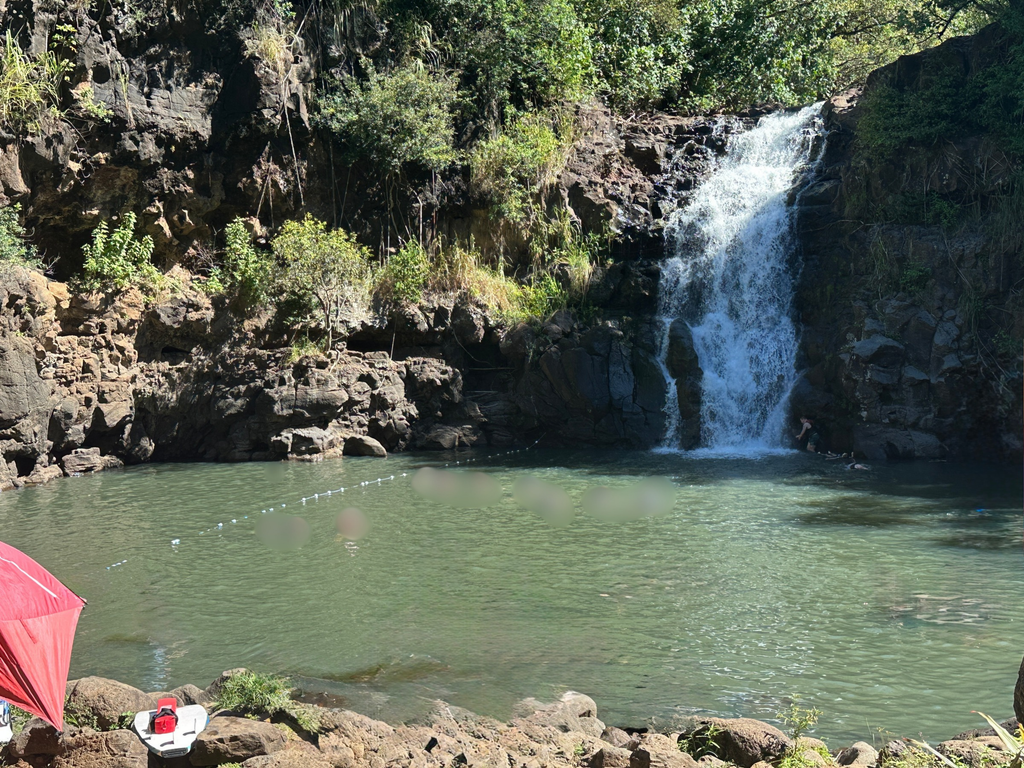
Waimea Falls, one of the highlights of Waimea Valley.
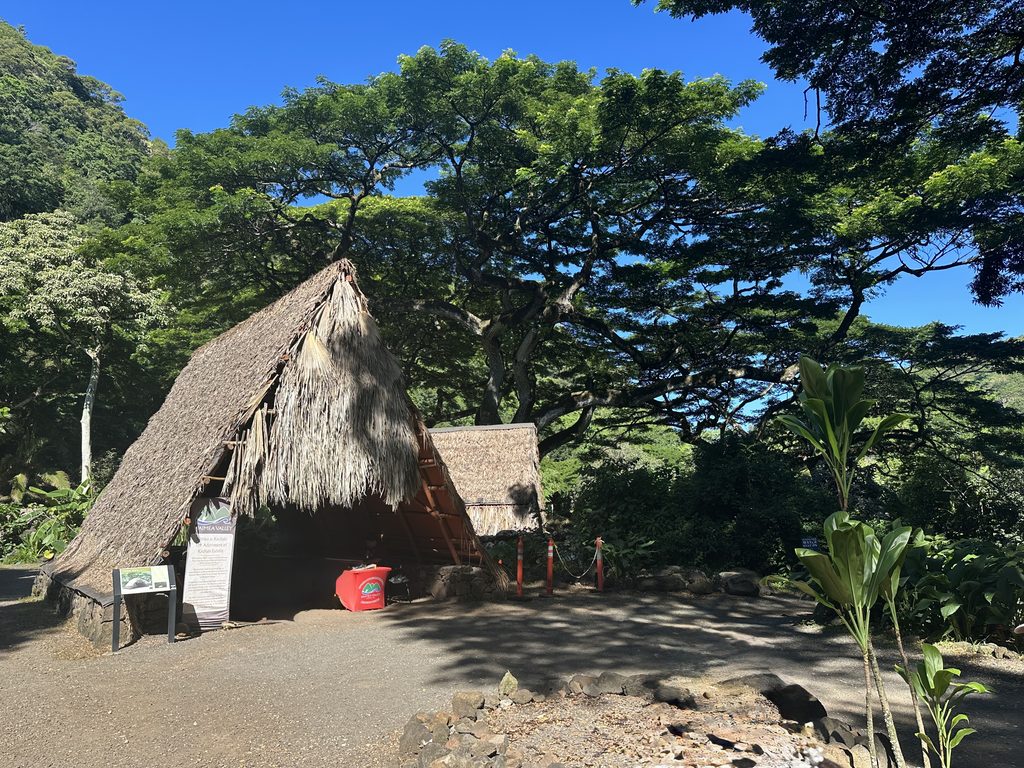
A traditional Hawaiian hale at Waimea Valley.
Learning from Hawaiʻi’s Relationship with Water, Tradition, and Community
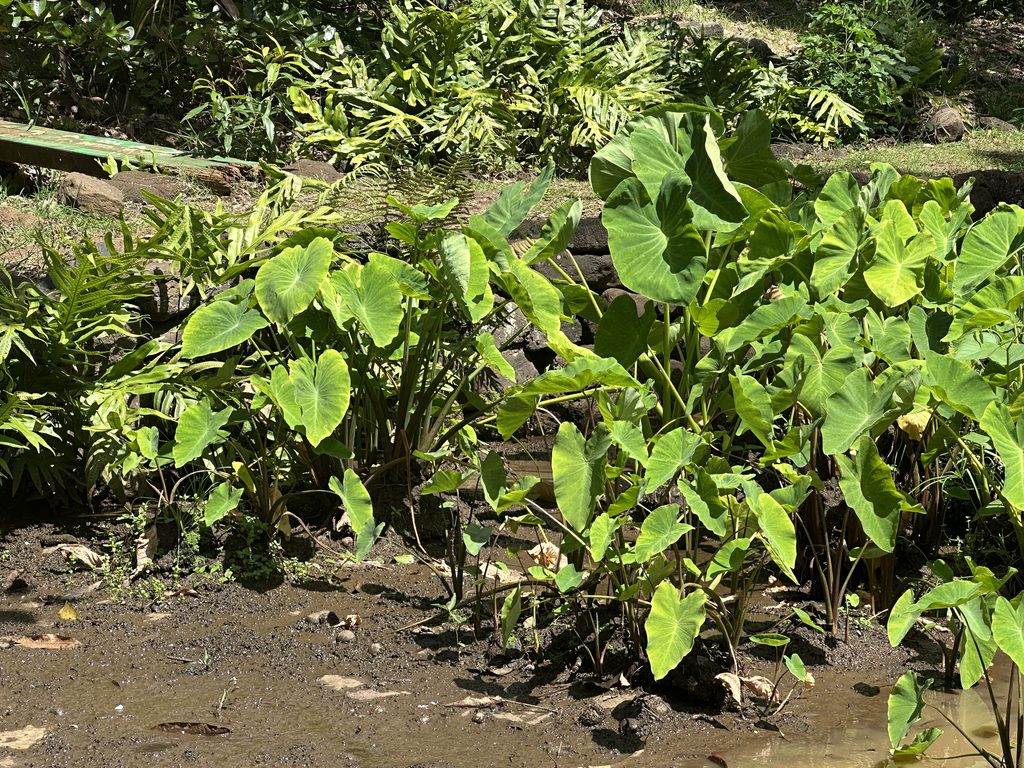
Members of the Keio team also visited the team at Ka Papa Loʻi ʻO Kānewai at the University of Hawaiʻi to learn about the connections between water, traditional practices, and community in Hawaiian culture, including the cultural significance of taro.
The visit highlighted the importance of passing on traditional knowledge and practices across generations and the role of community in sustaining these connections. These insights offered inspiration for future SOI Pacific programs that connect local knowledge, cultural heritage, and the natural environment.
The taro patch at Kānewai, University of Hawaiʻi at Mānoa.
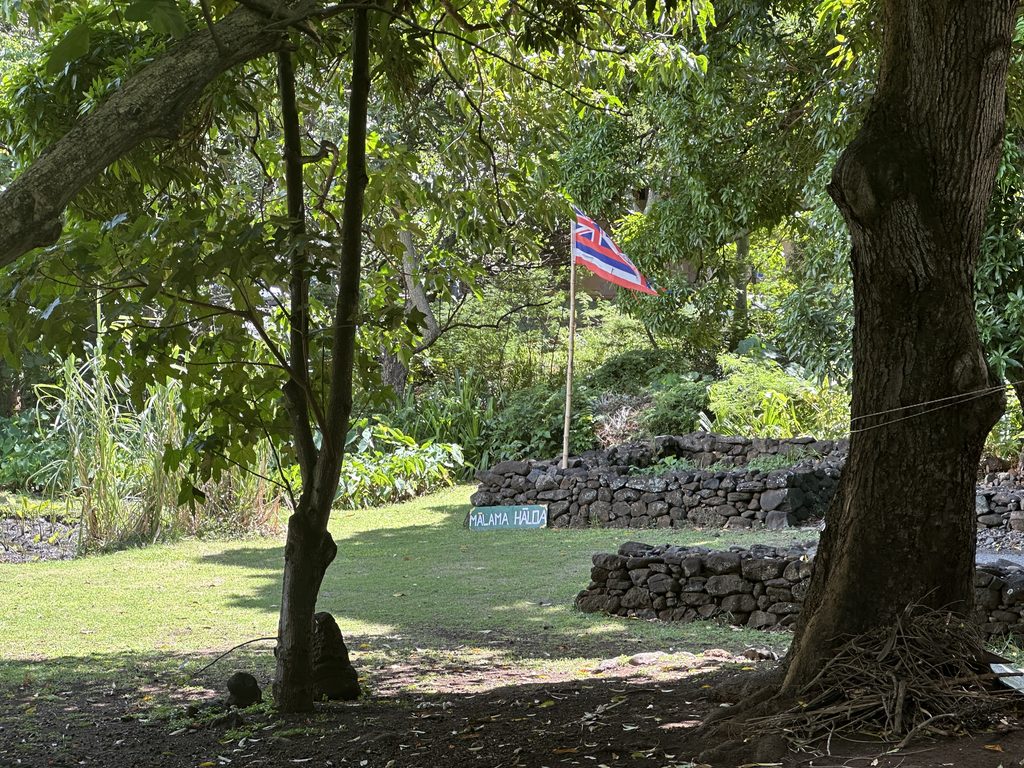
The Hawaiian state flag waving at Kānewai.
Looking Ahead
The meetings and field visits provided opportunities for the SOI Pacific team to reflect on its progress in 2026, develop plans for 2027, and learn from Hawaiʻi’s cultural and natural environments. These experiences will help inform the continued development of the project’s educational activities.
SOI Pacific joined the 61st SOI Asia Meeting and SOI Asia 30th Anniversary Conference, held at Institut Teknologi Bandung (ITB) in Bandung, Indonesia, from 31 August to 2 September 2026.
As a sister project of SOI Asia, this marked SOI Pacific’s first participation in the annual meeting, providing an opportunity to introduce its early activities, share experiences from the Pacific, and connect with members of the wider SOI Asia community.
The meeting brought together SOI Asia partners from across the region to reflect on 30 years of collaboration, share ongoing activities, and look towards the future. For SOI Pacific, the gathering provided an opportunity to build new connections with the SOI Asia community while continuing to develop its activities in the Pacific.
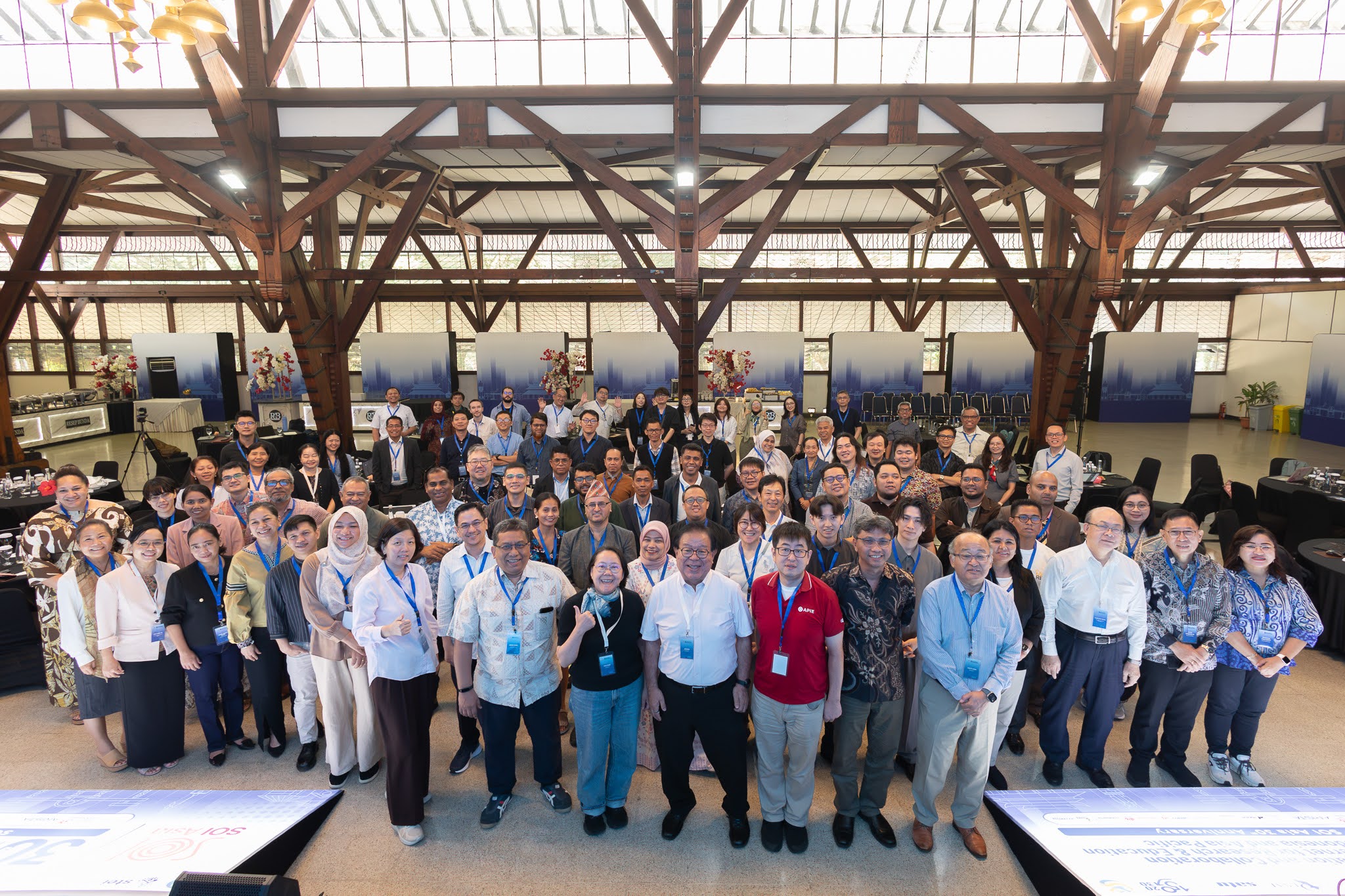
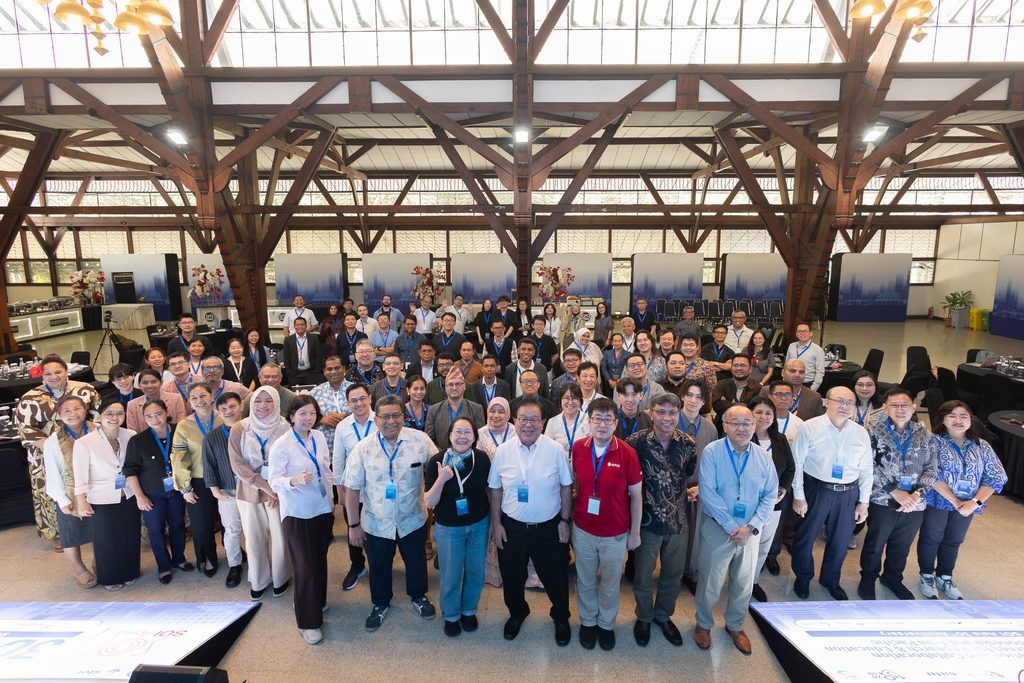
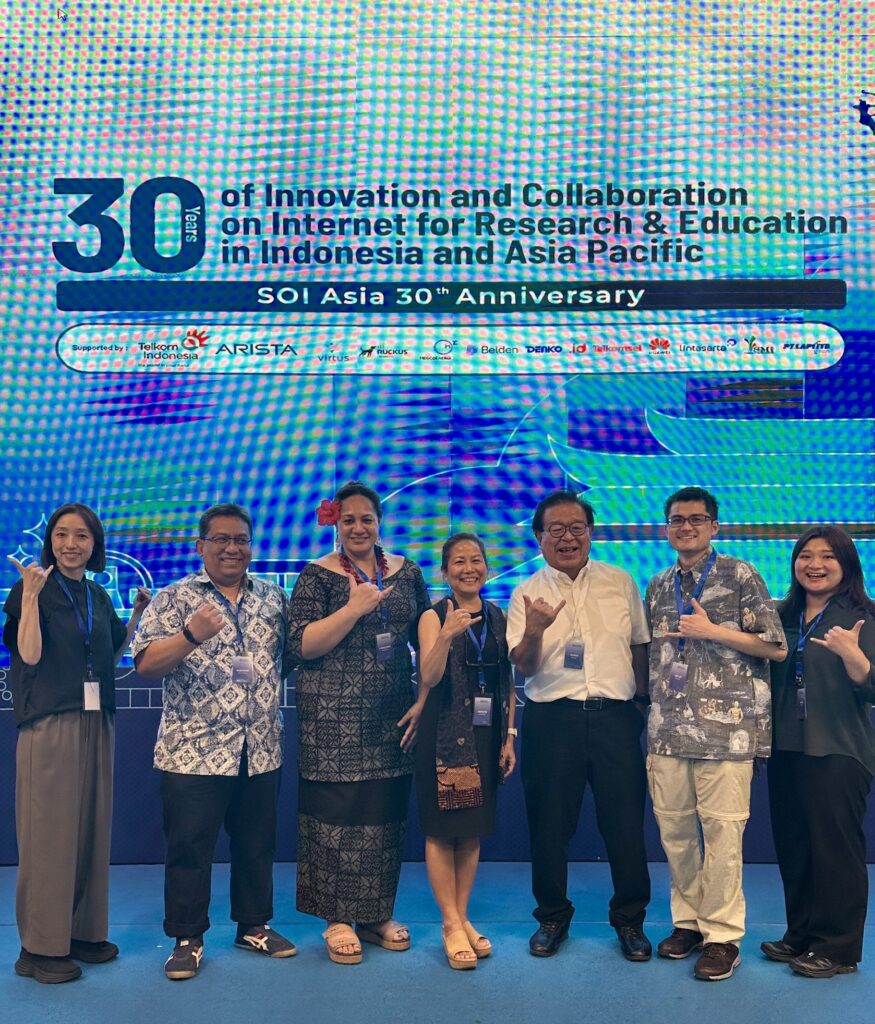
Participants of the 61st SOI Asia Meeting in Bandung, Indonesia.
From 30 years of SOI Asia to a new chapter in the Pacific
The SOI Asia Meeting is an annual gathering where partners from across the region come together to share activities, experiences, and ideas. This year’s meeting was especially significant as it marked the 30th anniversary of SOI Asia.
Bandung also holds a special place in the history of SOI Asia. ITB was among the first universities connected through the AI³ project in 1996, and the university has continued to play an important role in the development of the SOI Asia community.
For SOI Pacific, participating in the meeting in Bandung provided a meaningful connection to this history. The project builds on the experience and relationships developed through SOI Asia at Keio University, while bringing together the long-standing work and regional perspective of UH TASI. The meeting also marked the first opportunity for the UH TASI team to join the SOI Asia community, meet partners from across Asia, and introduce TASI and SOI Pacific to a wider audience.
Sharing SOI Pacific’s first steps
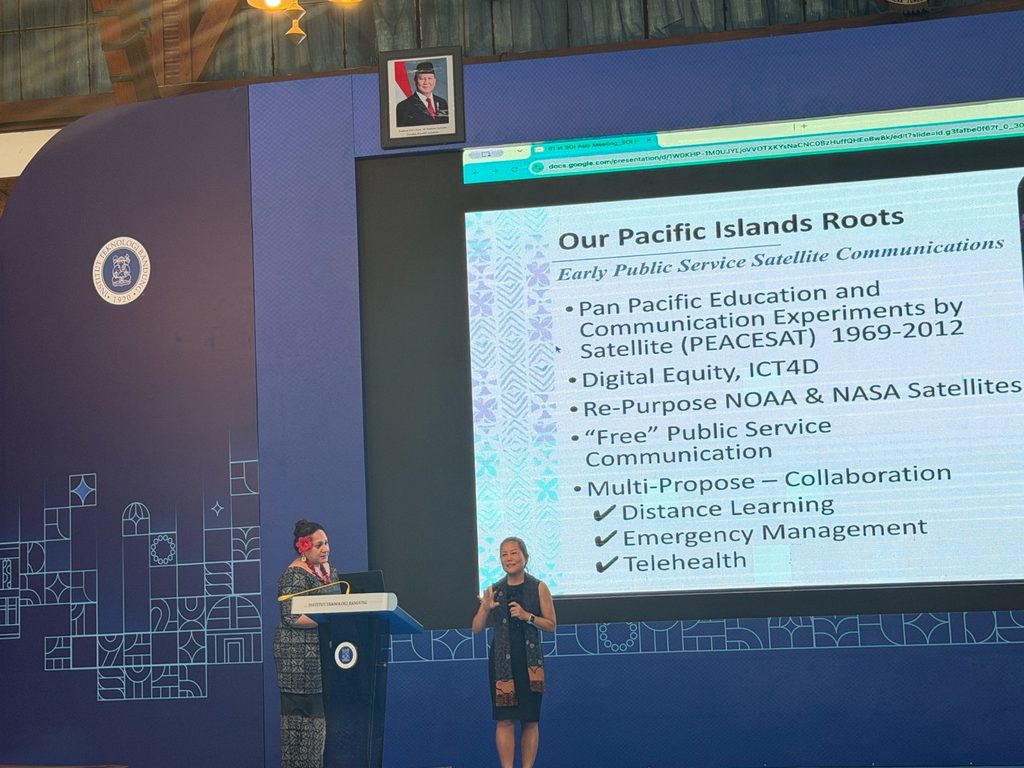
On the first day of the meeting, SOI Pacific gave a presentation introducing the history and activities of UH TASI, as well as the vision and early activities of SOI Pacific.
The presentation began with a personal connection to ITB. Dr. Christina Higa shared a photograph from her time as a student, when she had previously visited ITB. Dr. Ginger Porter then introduced TASI and its work, drawing on her perspective and experience as someone from the Pacific. She shared insights into the region and the unique circumstances that shape life and collaboration across the Pacific, while also reflecting on the significance of TASI’s long-standing work in the region.
Dr. Christina Higa (UH) introduces TASI and its work in the Pacific.
The presentation then turned to SOI Pacific’s activities since its launch in 2026, including its work and ongoing discussions with partners in Palau and Fiji. The team highlighted its first field visit to Palau in June and ongoing discussions with the University of the South Pacific (USP) and Fiji National University (FNU), as well as plans for further engagement in 2027.
Looking ahead, the team introduced plans for continued activities in Palau, further engagement with partners in Fiji, and possibilities for student and faculty exchange and other regional collaborations.
The presentation was followed by an open discussion, where participants exchanged ideas and shared perspectives on SOI Pacific’s activities and future directions. As the conversation developed, unexpected shared interests and potential opportunities for collaboration emerged.
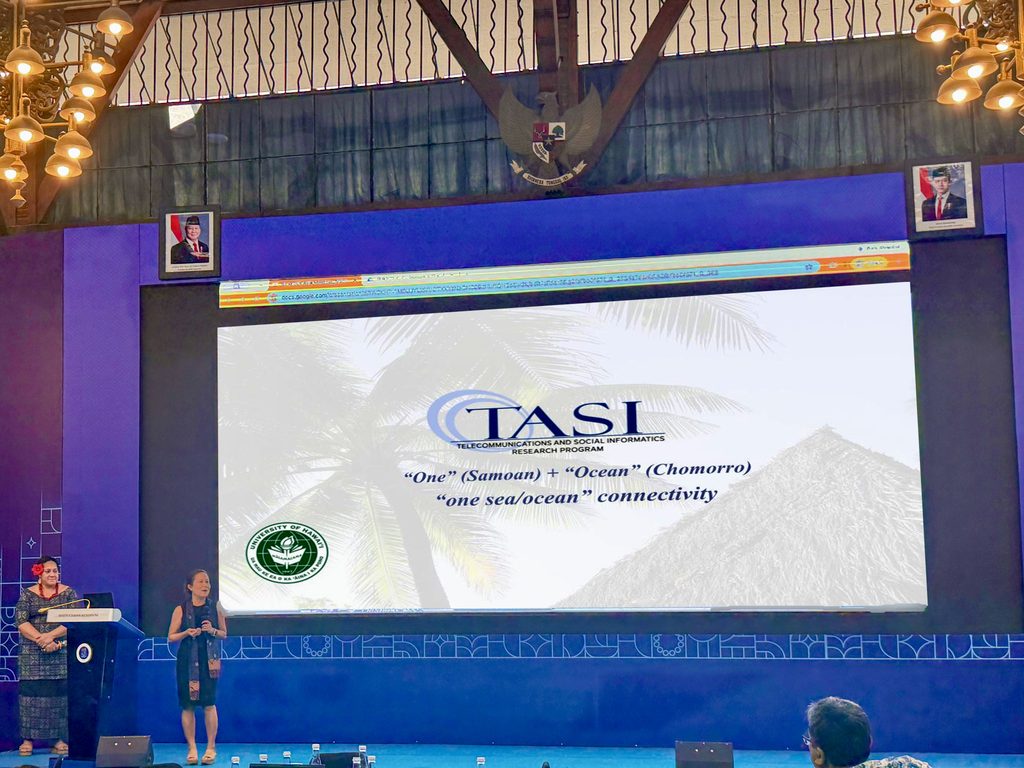
Introducing TASI and SOI Pacific to the SOI Asia community.
New conversations and possibilities for collaboration
The meeting also provided an opportunity for the UH TASI team to introduce its work to the SOI Asia community for the first time and discover areas of shared interest. Conversations touched not only on education and digital connectivity, but also on TASI’s work in areas such as medicine, health, and meteorology.
These exchanges suggested possible areas for future collaboration between SOI Asia, SOI Pacific, TASI, and partner institutions, while creating new connections between activities and expertise in Asia and the Pacific.
Connecting through the project showcase
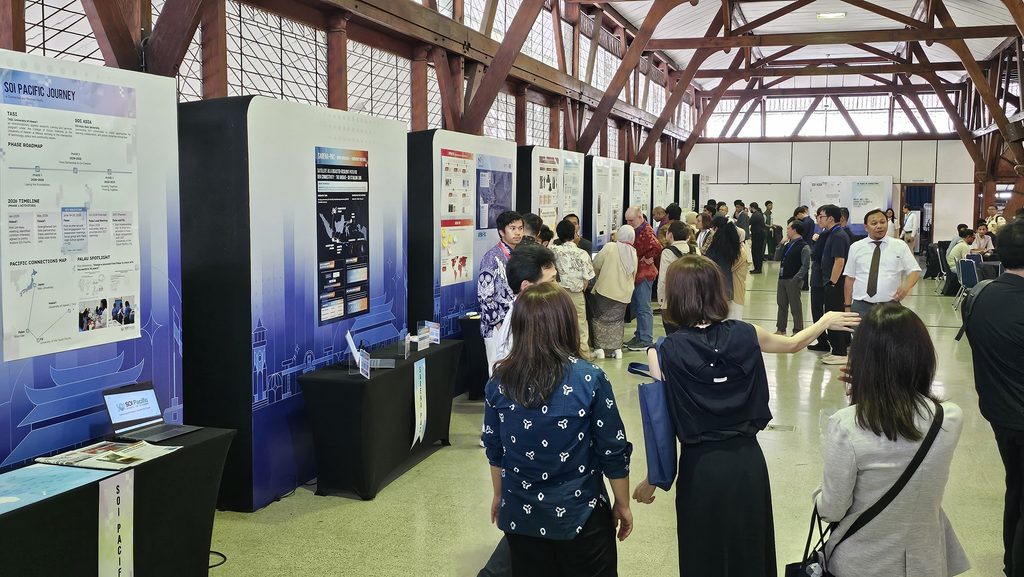
SOI Pacific also participated in the project showcase held alongside the 30th Anniversary Conference. The showcase brought together projects and activities from across the SOI Asia community, providing an opportunity for the team to introduce SOI Pacific’s early activities and exchange ideas with participants from different institutions and regions.
Scenes from the project showcase at the SOI Asia 30th Anniversary Conference.
A shared commitment for the future
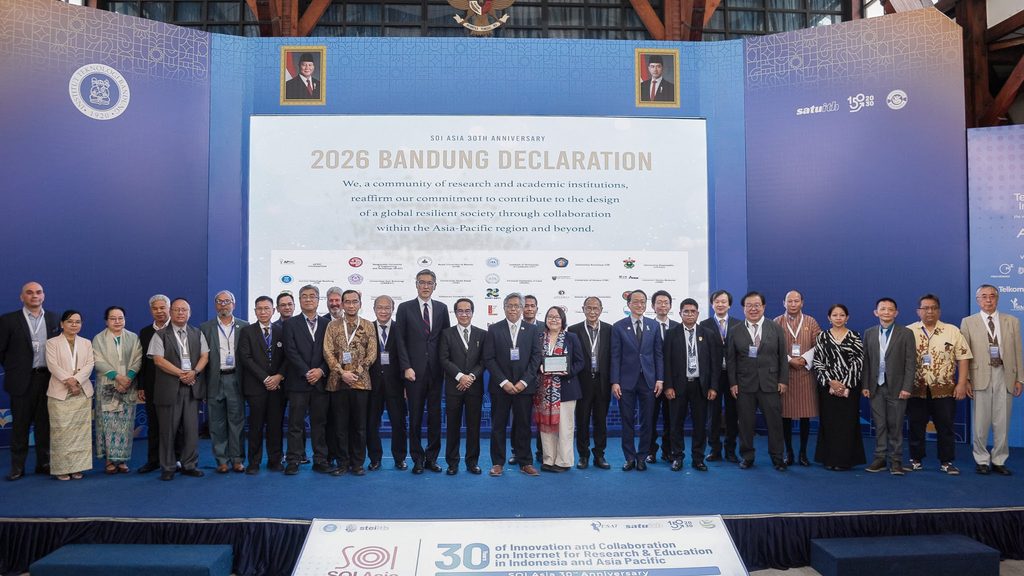
The 30th Anniversary Conference also marked an important moment for the wider SOI Asia community with the signing of the Bandung Declaration. The declaration brought together 28 signatories who expressed a shared commitment to continuing collaboration and working towards a more connected and resilient future.
Signatories of the Bandung Declaration.
David Lasner, President Emeritus of the University of Hawaiʻi, was among the signatories, marking the participation of the University of Hawaiʻi in this shared commitment.
Thirty years of SOI Asia have shown how relationships built across institutions and regions can grow into a lasting community. For SOI Pacific, the gathering in Bandung provided an opportunity to connect with this community while continuing to develop activities and relationships in the Pacific.
SOI Pacific team members, Dr. Jun Murai, and SOI Asia members with connections to Hawaiʻi share a shaka in Bandung.
As SOI Pacific looks towards the next chapter, we continue to build connections where local wisdom meets global connections.
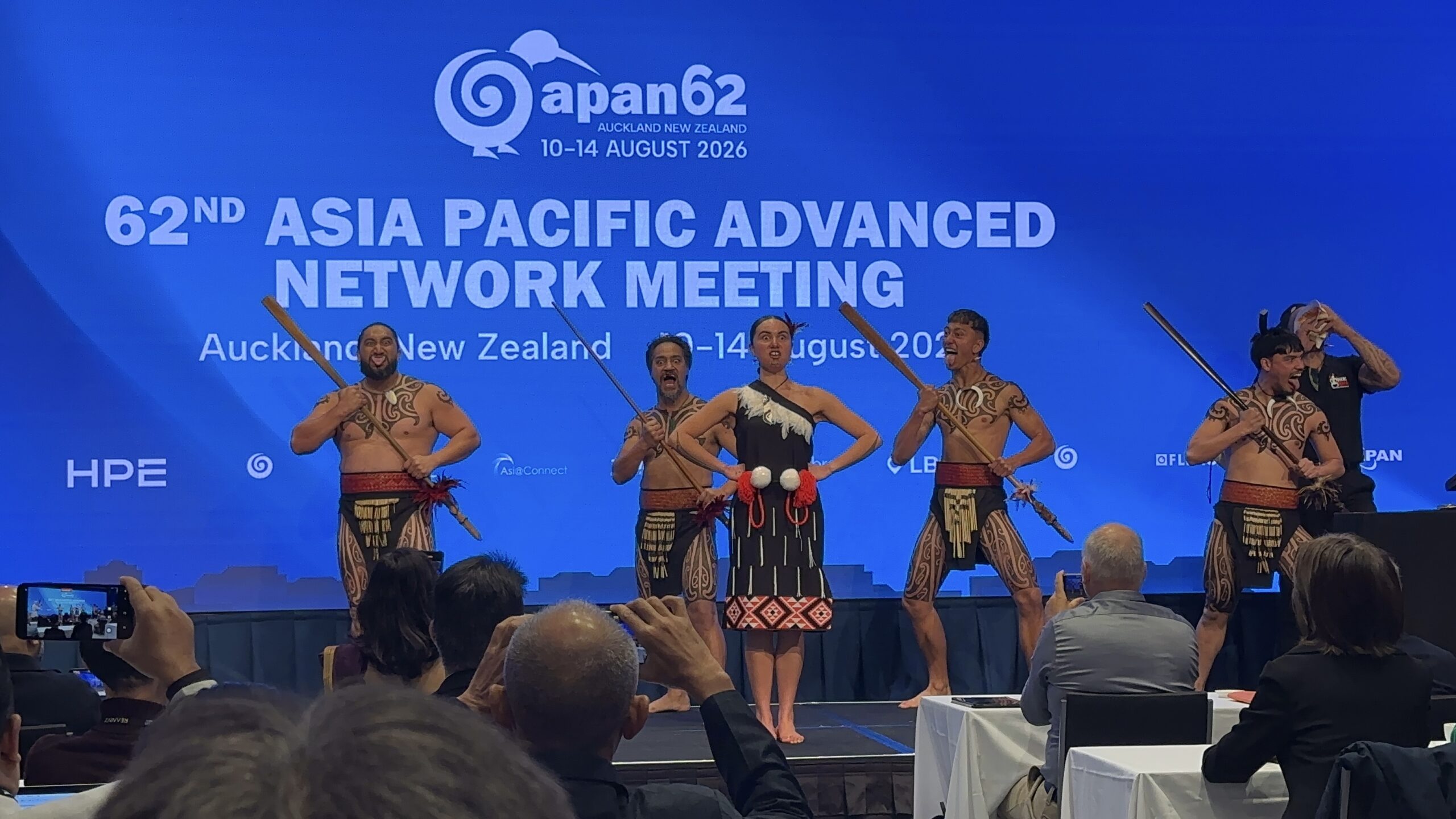
From 10 to 14 August 2026, the SOI Pacific team participated in 62nd Asia Pacific Advanced Network (APAN 62) in Tāmaki Makaurau/Auckland, New Zealand. APAN 62 marked SOI Pacific’s first international presentation since the initiative was launched jointly by Keio University and the University of Hawaiʻi.
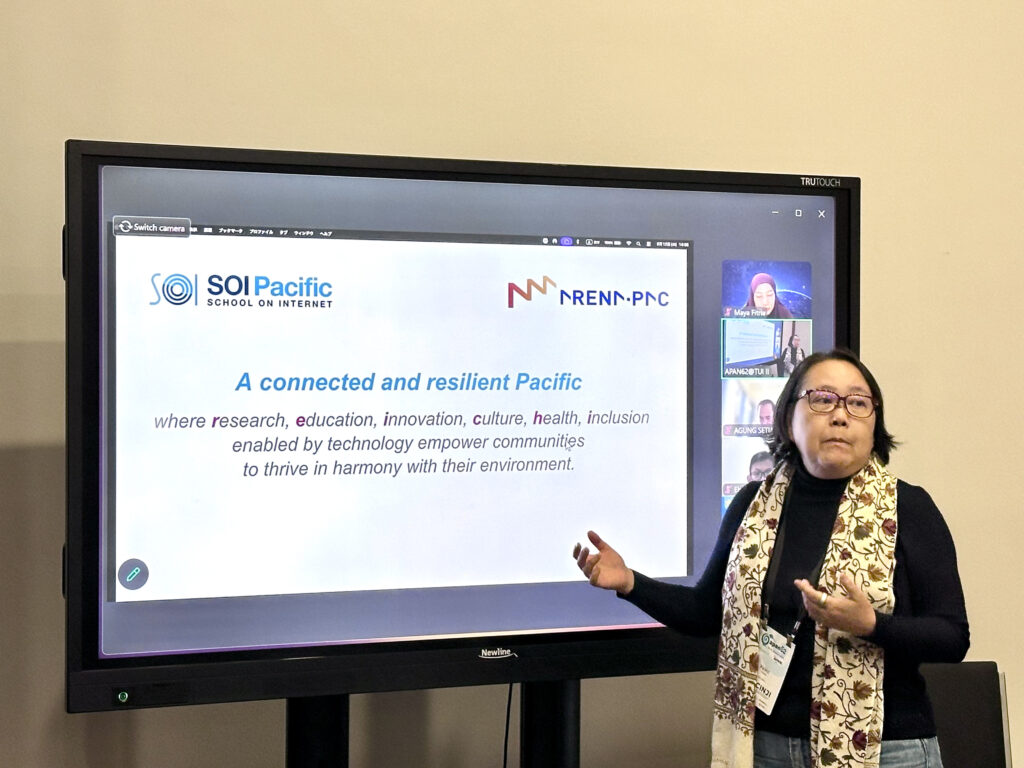
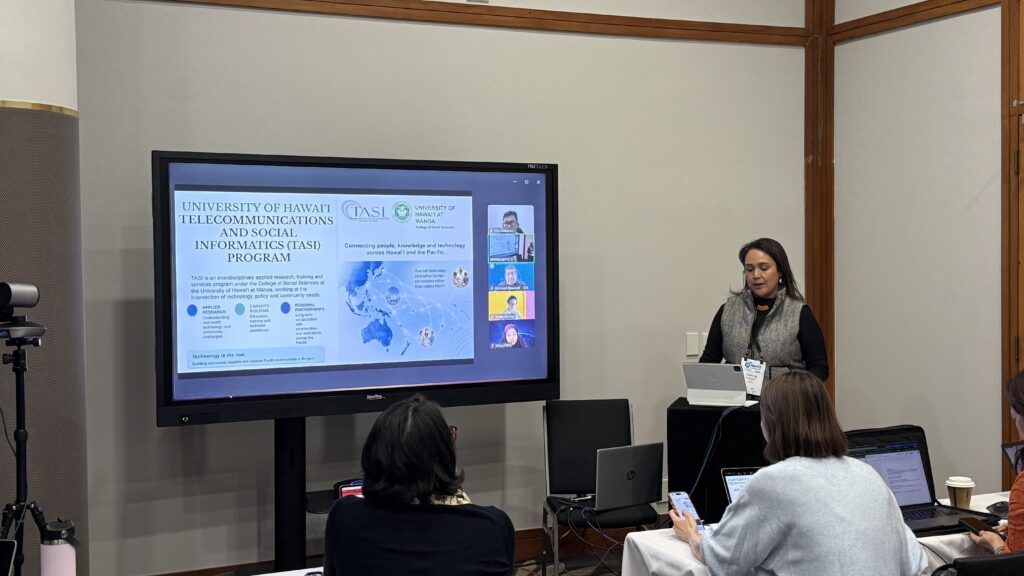
Representatives from both universities introduced SOI Pacific at APAN 62 and shared findings from recent fieldwork in Palau and Fiji. The University of Hawaiʻi team also introduced its Telecommunications and Social Informatics (TASI) program and activities in the Pacific.
Prof. Keiko Okawa (Keio) introducing SOI Pacific at APAN 62.
The presentation introduced SOI Pacific to the research and education community and explored how knowledge, cultures, and perspectives from the Pacific could connect with Open Science.
Umerang Imetengel (UH) introducing the Telecommunications and Social Informatics (TASI) program and its activities in the Pacific.
The presentation drew on SOI Pacific’s 2026 fieldwork in Palau and Fiji, with a focus on knowledge and culture, and the role younger generations could play in interpreting and sharing them.
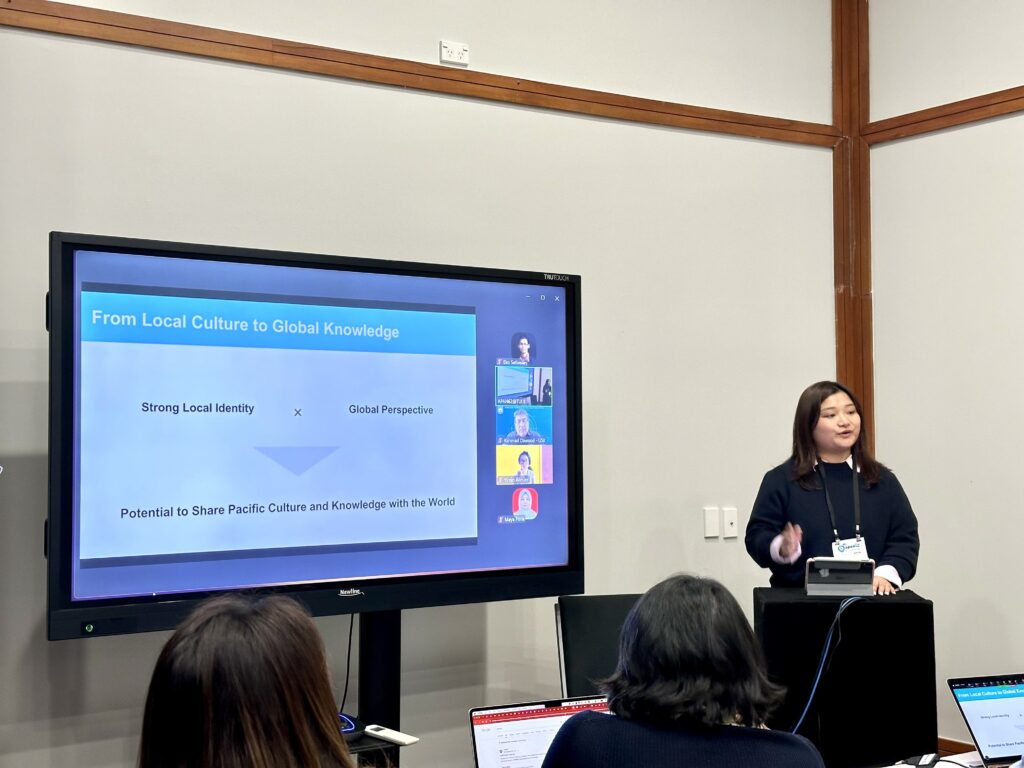
One example came from a workshop with high school students in Palau, where students were asked to imagine Palau in 2036 through the theme “Let’s Create a Souvenir for Future Palau.” The workshop showed a combination of strong local cultural identity and a global perspective. Students expressed different views on Palauan culture and its future, while also thinking beyond Palau and expressing interest in studying or living abroad.
These observations raised a question for the SOI Pacific team: Could this combination of strong local cultural identity and a global perspective create new opportunities for younger generations to interpret and communicate their own cultural heritage?
Riho Suzuki (KEIO) sharing observations from SOI Pacific’s fieldwork in Palau and Fiji.
This question also suggested a possible connection with DHASH. While still exploratory, future collaboration could examine how the perspectives of Pacific youth might contribute to community-centered approaches to digital cultural heritage, documentation, and preservation.
Palauan senators who met the SOI Pacific team during the fieldwork also highlighted the use of technology for cultural preservation, providing additional local context for the question raised at APAN. Further dialogue with communities and stakeholders will be needed to explore its relevance.
Looking Ahead
APAN 62 gave SOI Pacific an opportunity to engage with researchers, educators, and the research and education networking (REN) community across the Asia-Pacific region. Keynotes and sessions covered Open Science, digital infrastructure, cultural heritage, and regional collaboration.
As an initiative still at an early stage, SOI Pacific continues to focus on listening to local communities and understanding local contexts. APAN 62 provided a platform to share these early observations and begin wider discussions with SOI Asia, DHASH, and the Open Science community as SOI Pacific works toward its vision of a Connected and Resilient Pacific.
From June 29 to July 3, 2026, the SOI Pacific team visited Suva, Fiji, together with members of the ARENA-PAC team. The visit formed part of SOI Pacific’s ongoing efforts to deepen regional understanding, strengthen partnerships, and explore opportunities for collaboration in research and education across the Pacific.
A major focus of the visit was engagement with academic institutions and regional stakeholders to exchange perspectives and identify opportunities for future collaboration. Together with members of the ARENA-PAC team, SOI Pacific engaged with the University of the South Pacific (USP), Fiji National University (FNU), and other regional stakeholders to discuss strengthening research and education networks, student exchange, and future collaborative opportunities. Through these discussions, both sides shared their perspectives and priorities, deepened mutual understanding, and confirmed their commitment to further developing collaboration. These conversations marked an important step toward building long-term institutional partnerships.
In addition to these meetings, the Keio team paid a courtesy visit to the Embassy of Japan in Fiji, where they exchanged perspectives with the Ambassador on regional developments and gained valuable insights into Fiji’s role within the broader Pacific region. Separately, the UH team visited the Fiji Meteorological Service (FMS) in Nadi, a long-standing partner in regional training in meteorology and disaster communications. Together, these engagements deepened SOI Pacific’s understanding of the regional context, strengthened relationships with key stakeholders, and provided valuable insights that will help inform the project’s future activities across the Pacific.
At the Embassy of Japan in Fiji
The visit marked another important step in SOI Pacific’s efforts to build trusted partnerships across the region. By continuing to work alongside universities, government agencies, and regional organisations, the project aims to foster meaningful collaboration that strengthens research and education networks, promotes digital connectivity, and contributes to a more connected and resilient Pacific.
Exchanging greetings at the University of the South Pacific (USP)
From June 20 to 24, 2026, members from Keio University, Japan (Keio), and the University of Hawaiʻi, USA (UH), visited the Republic of Palau to conduct the first official field visit of the SOI Pacific Project.
Launched in 2026, SOI Pacific is a joint education and research initiative between members from School on Internet Asia (SOI Asia), Keio and the Telecommunications and Social Informatics (TASI), UH. The project aims to strengthen research and education networks across the Pacific while fostering collaboration that supports sustainable digital development and regional resilience.
The year 2026 has been positioned as the project’s “Laying Foundation” phase—a critical period dedicated to deepening regional understanding, building relationships with local partners, and shaping the strategic direction of future activities. As the inaugural field engagement for SOI Pacific, Palau was selected as the initial case study site due to its strong regional connectivity, existing collaborative foundations, and active role in regional Pacific engagement, providing an ideal setting to explore opportunities for long-term collaboration.
A key objective of the visit was to listen, learn, and deepen the team’s understanding of Palau’s unique strengths, needs, opportunities, and challenges. Through dialogue with local stakeholders, the team explored community priorities, identified potential areas for collaboration, and gathered valuable insights to help shape the future direction of the project.
Throughout the visit, the team held more than ten meetings with a wide range of stakeholders, including government agencies responsible for education, human resources, ICT, cybersecurity, and digital transformation; educational institutions; NGOs; development partners such as JICA; and individuals involved in initiatives aligned with SOI Pacific’s goals. The delegation also paid a courtesy visit with the Senate Committee on Cybersecurity, Telecommunications and Technology.These discussions provided valuable insights into Palau’s education system, the needs and aspirations of students, and the country’s broader priorities for digital development. The team explored opportunities for future collaboration, including the implementation of educational programmes both within and beyond the formal school curriculum, while discussing potential frameworks for local partnerships. The meetings also offered valuable perspectives on internet connectivity and digital infrastructure, strengthening the team’s understanding of both the opportunities and challenges surrounding digital development in the Pacific and helping to inform future project activities.
SOI Pacific extends its sincere appreciation to all organizations, partners, and individuals who generously shared their time, knowledge, and perspectives during the visit. Their contributions were essential in helping shape a deeper understanding of Palau’s strengths, needs, opportunities, and priorities.
With Senators of PalauAt JICA Palau Office
As part of the visit, the team conducted a three-hour interactive workshop for Grade 11~12 students at Palau High School under the theme, “Design a Souvenir from Palau to Share with the World in 10 Years!” Through a combination of individual reflection and group activities, the nine participating students explored their hopes for the future—both for themselves and for Palau.They researched examples of souvenirs from Palau and around the world, developed marketing strategies, and presented their concepts to their peers. The workshop sparked lively discussions and showcased the students’ creativity through innovative proposals, including AI-powered storytelling souvenirs that preserve traditional narratives, accessories made from marine plastic waste, and custom-designed cultural products inspired by Palauan identity.
Students presenting their ideas during the “Design a Souvenir from Palau to Share with the World in 10 Years!” workshop
The visit marked a key milestone for SOI Pacific as its first field engagement. Through dialogue with local stakeholders and students, the team gained insights into Palau’s context and identified opportunities for future collaboration. Discussions emphasized balancing the preservation of Palauan traditions with opportunities enabled by digital technologies. These perspectives will help guide future activities as SOI Pacific continues to work alongside local partners to co-create initiatives that reflect local contexts, strengthen research and education networks, and contribute to a more connected and resilient Pacific.
Acknowledgements
While it is not possible to capture every discussion and exchange in this article, each meeting provided valuable perspectives that will help shape the future direction of SOI Pacific.
We would like to express our sincere appreciation to all the organisations and individuals who generously shared their time, knowledge, and hospitality during our visit. Their support made this inaugural field visit a meaningful learning experience and laid an important foundation for future collaboration.
We extend our sincere thanks to:
Principal and Students of the Palau High School
Bureau of Communications, Palau
Concierge Palau
JICA Palau Office
Joleen Ngoriakl – Digital resiliency work, Youth group initiatives
Ministry of Education, Palau
Ministry of Human Resources, Culture, Tourism & Development, Palau
SOI Pacific is pleased to share the latest update on our journey toward building a connected and resilient learning network across the Pacific.
In January 2026, members of SOI Asia, Keio University (Japan) and TASI, University of Hawaiʻi (USA) gathered for the first in-person meeting at University of Hawaiʻi. The meeting marked an important milestone in strengthening collaboration and shaping a shared vision for the future.
Together, we reaffirmed our shared commitment to co-designing sustainable, community-driven educational initiatives that connect institutions, educators, and learners across the region. The meeting also laid the foundation for future pilot activities and long-term collaboration.
We look forward to working with our partners to create meaningful learning opportunities that respond to the diverse needs of Pacific communities!