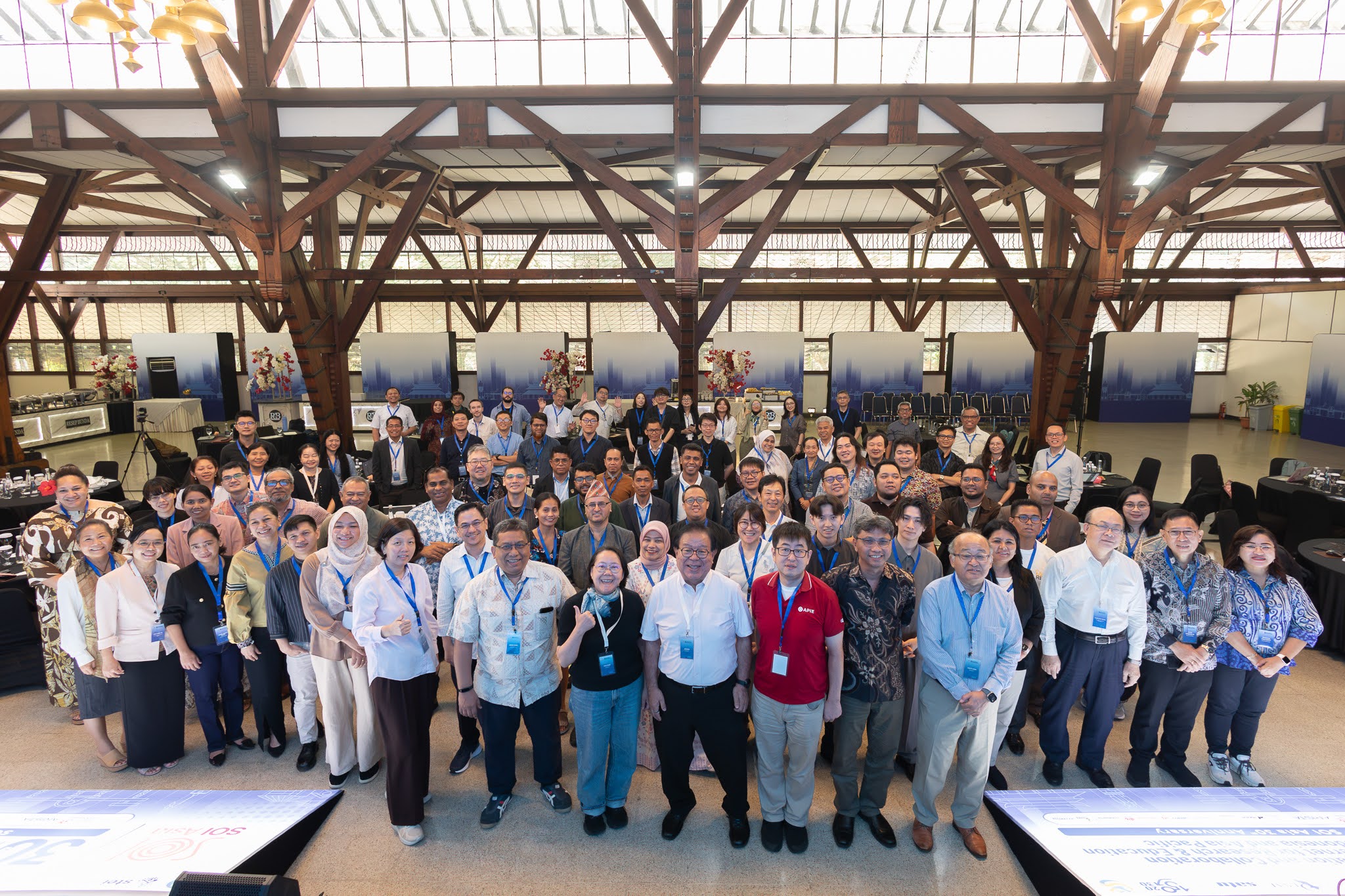
SOI Pacific joined the 61st SOI Asia Meeting and SOI Asia 30th Anniversary Conference, held at Institut Teknologi Bandung (ITB) in Bandung, Indonesia, from 31 August to 2 September 2026.
As a sister project of SOI Asia, this marked SOI Pacific’s first participation in the annual meeting, providing an opportunity to introduce its early activities, share experiences from the Pacific, and connect with members of the wider SOI Asia community.
The meeting brought together SOI Asia partners from across the region to reflect on 30 years of collaboration, share ongoing activities, and look towards the future. For SOI Pacific, the gathering provided an opportunity to build new connections with the SOI Asia community while continuing to develop its activities in the Pacific.
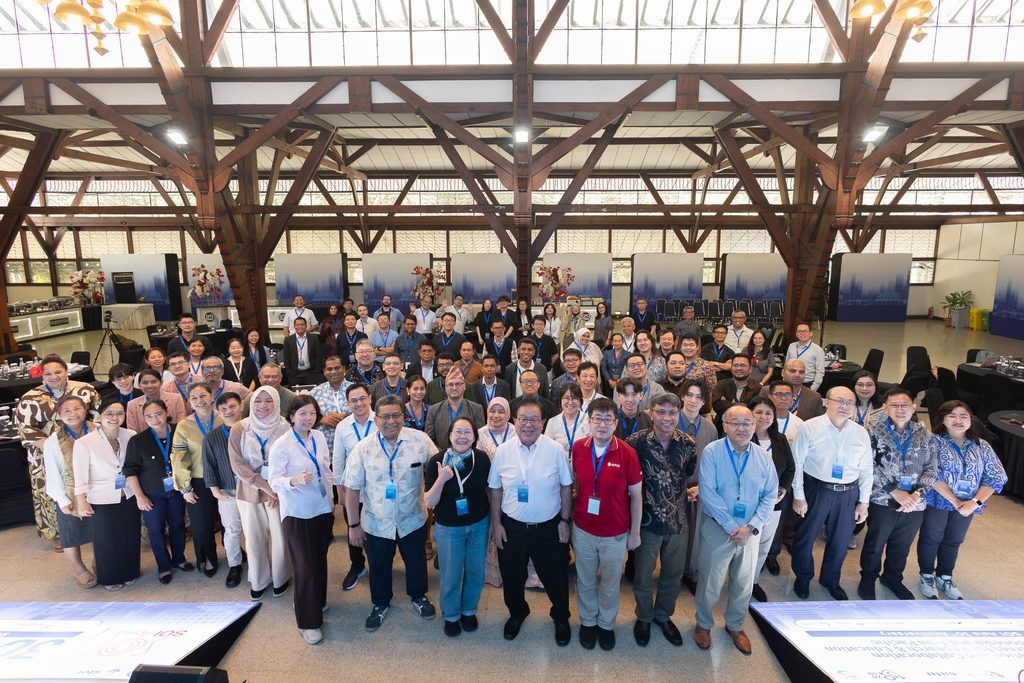
From 30 years of SOI Asia to a new chapter in the Pacific
The SOI Asia Meeting is an annual gathering where partners from across the region come together to share activities, experiences, and ideas. This year’s meeting was especially significant as it marked the 30th anniversary of SOI Asia.
Bandung also holds a special place in the history of SOI Asia. ITB was among the first universities connected through the AI³ project in 1996, and the university has continued to play an important role in the development of the SOI Asia community.
For SOI Pacific, participating in the meeting in Bandung provided a meaningful connection to this history. The project builds on the experience and relationships developed through SOI Asia at Keio University, while bringing together the long-standing work and regional perspective of UH TASI. The meeting also marked the first opportunity for the UH TASI team to join the SOI Asia community, meet partners from across Asia, and introduce TASI and SOI Pacific to a wider audience.
Sharing SOI Pacific’s first steps
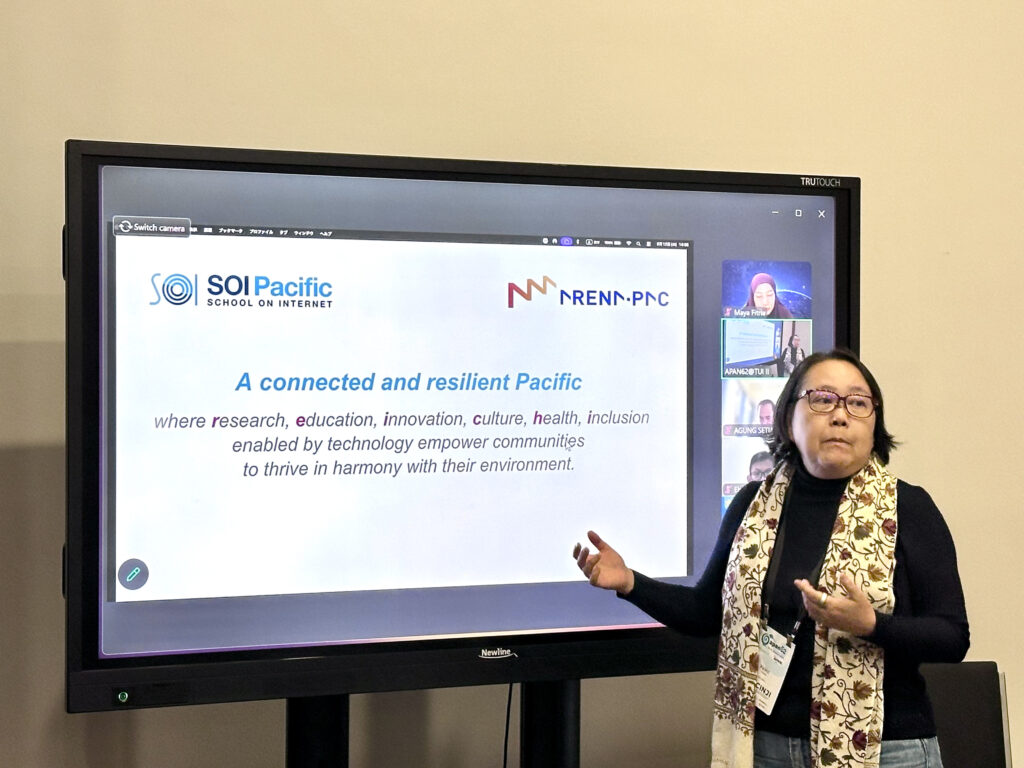
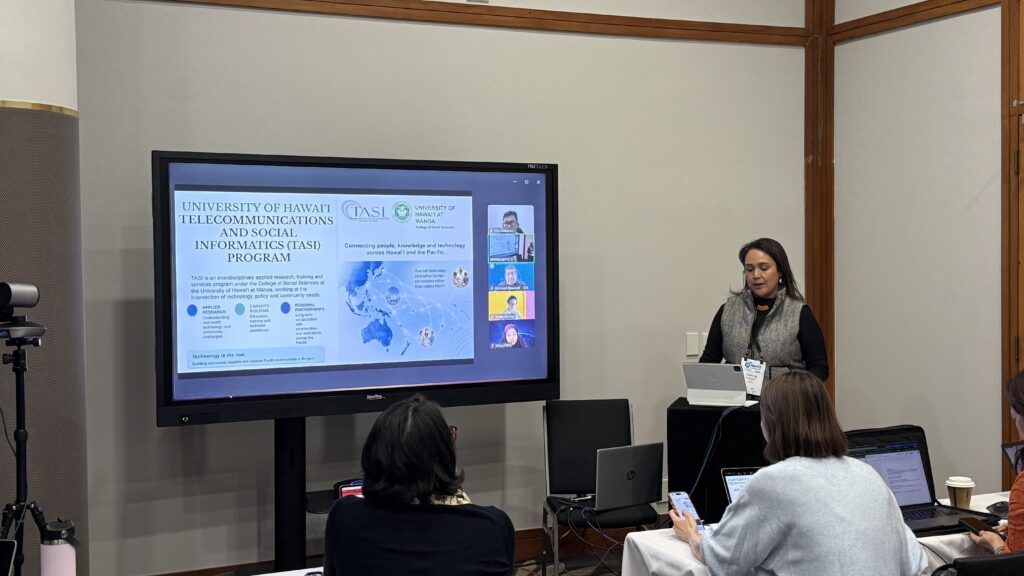
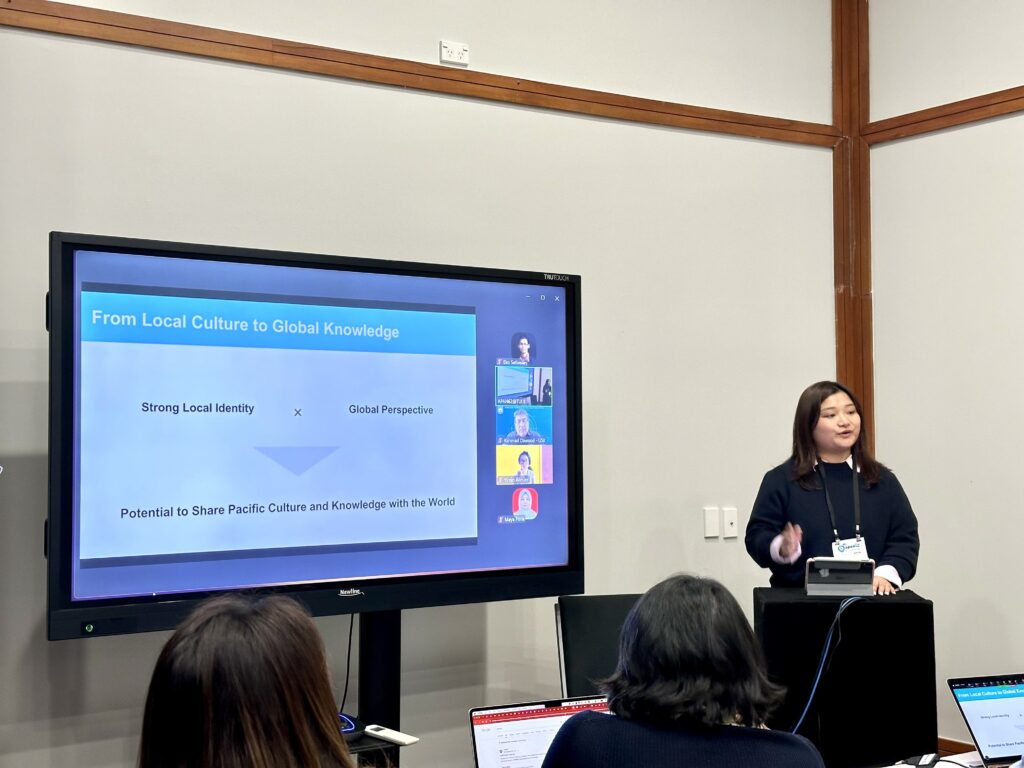
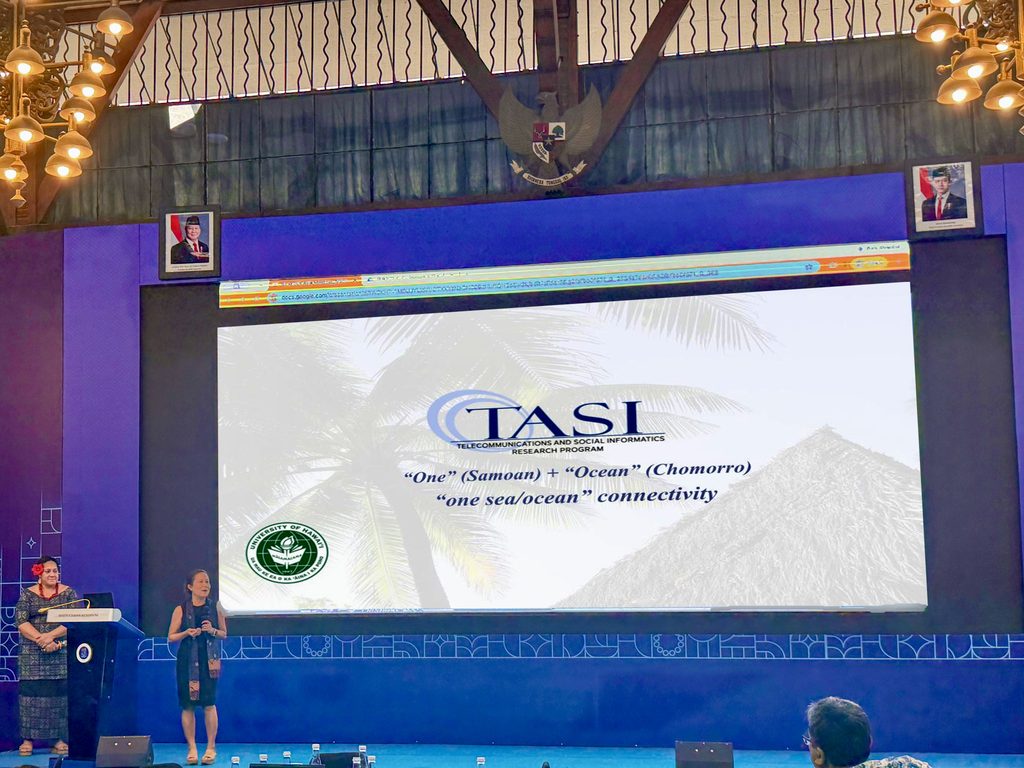
On the first day of the meeting, SOI Pacific gave a presentation introducing the history and activities of UH TASI, as well as the vision and early activities of SOI Pacific.
The presentation began with a personal connection to ITB. Dr. Christina Higa shared a photograph from her time as a student, when she had previously visited ITB. Dr. Ginger Porter then introduced TASI and its work, drawing on her perspective and experience as someone from the Pacific. She shared insights into the region and the unique circumstances that shape life and collaboration across the Pacific, while also reflecting on the significance of TASI’s long-standing work in the region.
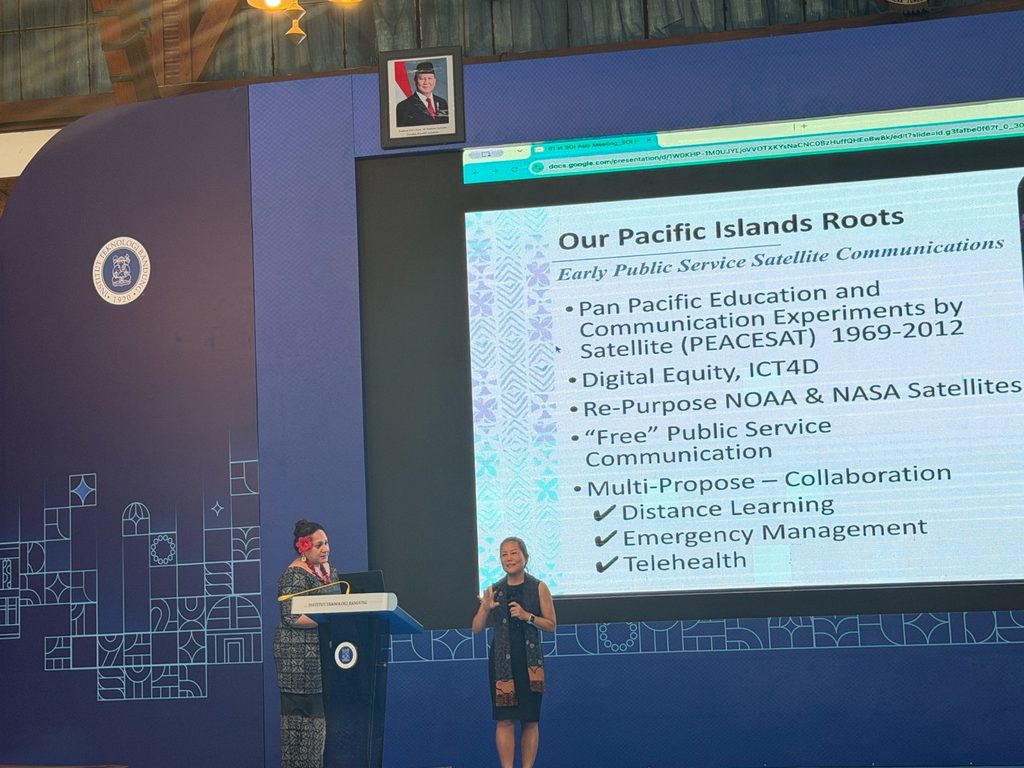
The presentation then turned to SOI Pacific’s activities since its launch in 2026, including its work and ongoing discussions with partners in Palau and Fiji. The team highlighted its first field visit to Palau in June and ongoing discussions with the University of the South Pacific (USP) and Fiji National University (FNU), as well as plans for further engagement in 2027.
Looking ahead, the team introduced plans for continued activities in Palau, further engagement with partners in Fiji, and possibilities for student and faculty exchange and other regional collaborations.
The presentation was followed by an open discussion, where participants exchanged ideas and shared perspectives on SOI Pacific’s activities and future directions. As the conversation developed, unexpected shared interests and potential opportunities for collaboration emerged.
New conversations and possibilities for collaboration
The meeting also provided an opportunity for the UH TASI team to introduce its work to the SOI Asia community for the first time and discover areas of shared interest. Conversations touched not only on education and digital connectivity, but also on TASI’s work in areas such as medicine, health, and meteorology.
These exchanges suggested possible areas for future collaboration between SOI Asia, SOI Pacific, TASI, and partner institutions, while creating new connections between activities and expertise in Asia and the Pacific.
Connecting through the project showcase
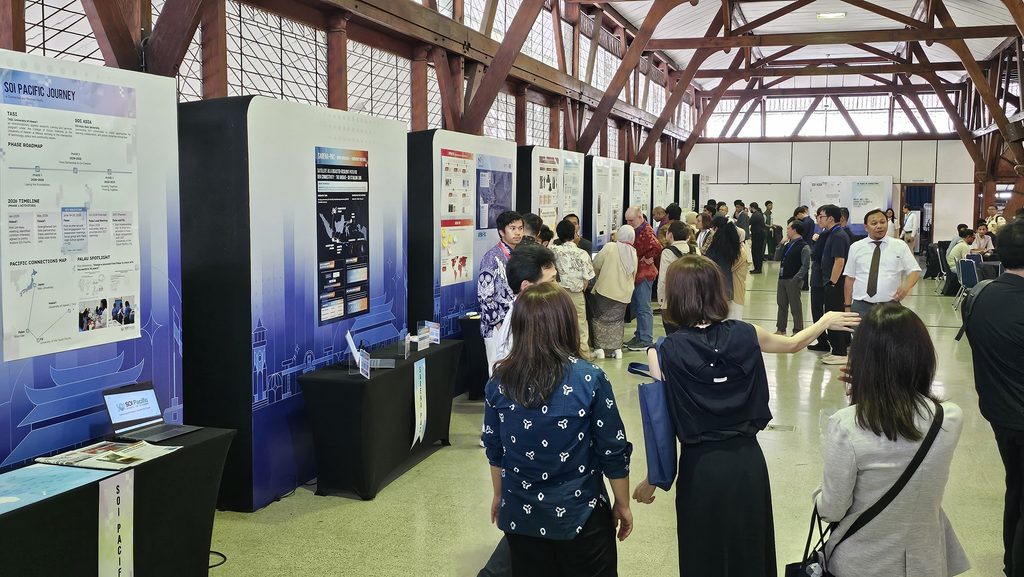
SOI Pacific also participated in the project showcase held alongside the 30th Anniversary Conference. The showcase brought together projects and activities from across the SOI Asia community, providing an opportunity for the team to introduce SOI Pacific’s early activities and exchange ideas with participants from different institutions and regions.
A shared commitment for the future
The 30th Anniversary Conference also marked an important moment for the wider SOI Asia community with the signing of the Bandung Declaration. The declaration brought together 28 signatories who expressed a shared commitment to continuing collaboration and working towards a more connected and resilient future.
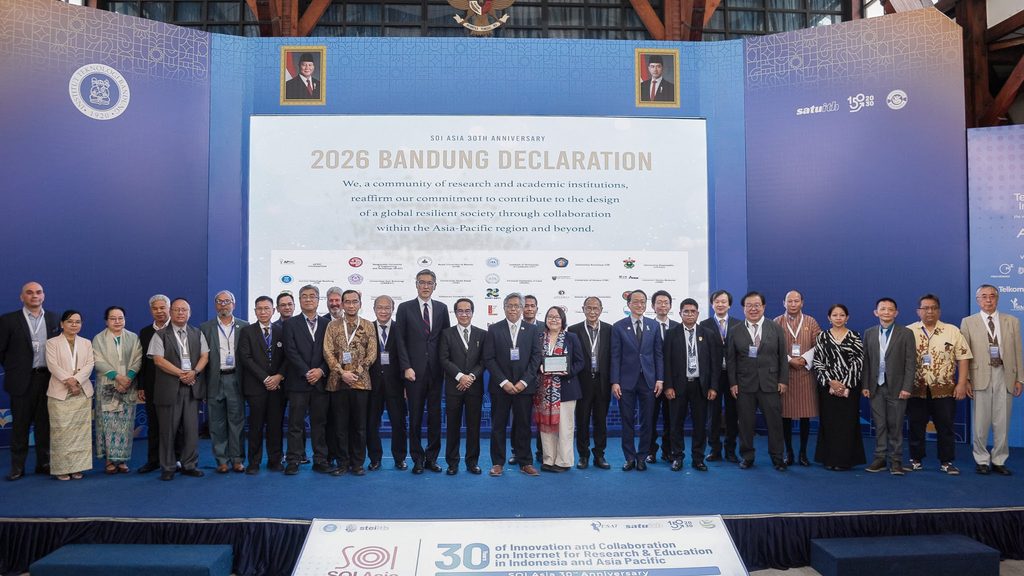
David Lasner, President Emeritus of the University of Hawaiʻi, was among the signatories, marking the participation of the University of Hawaiʻi in this shared commitment.
Thirty years of SOI Asia have shown how relationships built across institutions and regions can grow into a lasting community. For SOI Pacific, the gathering in Bandung provided an opportunity to connect with this community while continuing to develop activities and relationships in the Pacific.
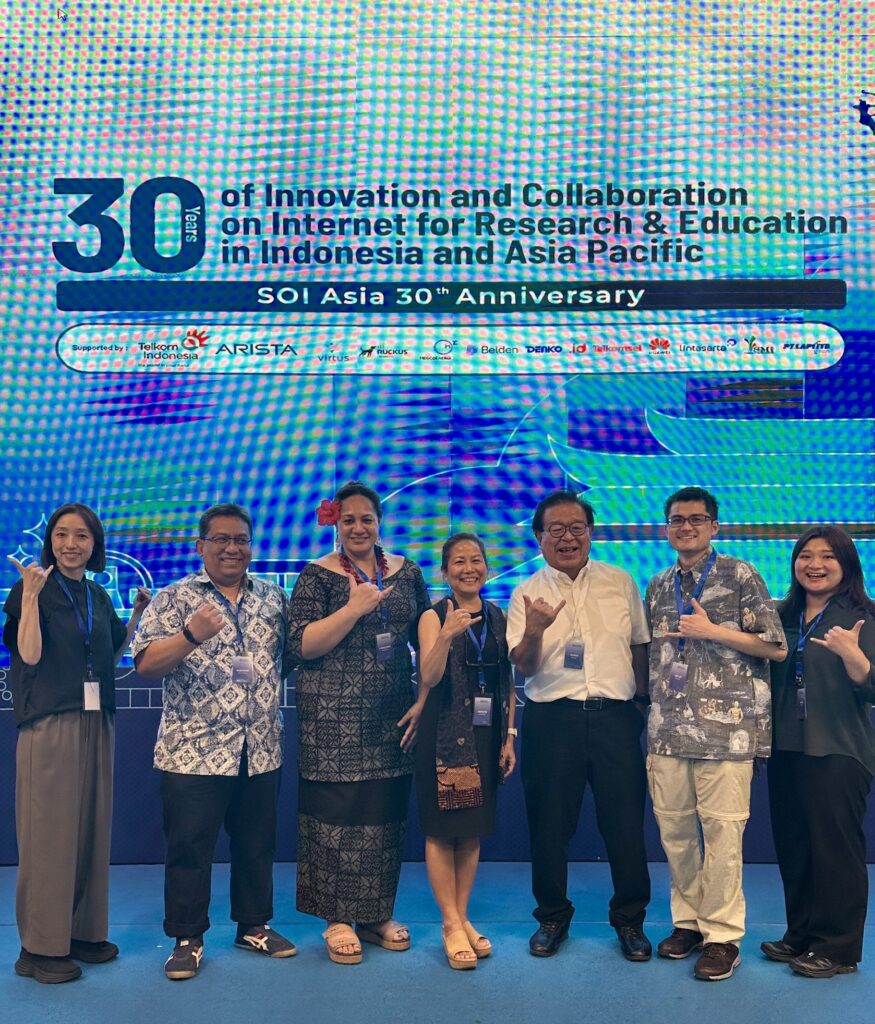
As SOI Pacific looks towards the next chapter, we continue to build connections where local wisdom meets global connections.