
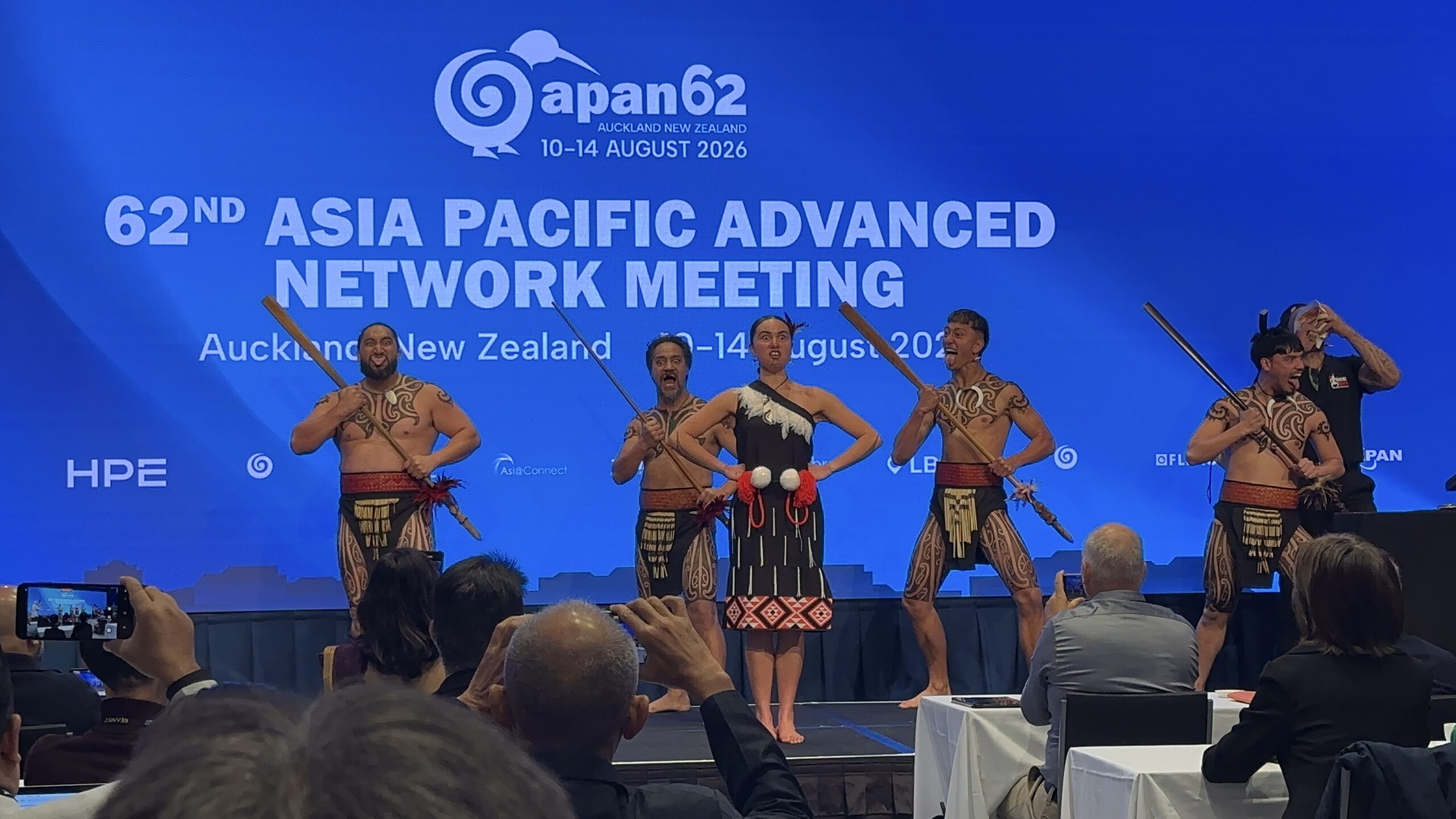
From 10 to 14 August 2026, the SOI Pacific team participated in 62nd Asia Pacific Advanced Network (APAN 62) in Tāmaki Makaurau/Auckland, New Zealand. APAN 62 marked SOI Pacific’s first international presentation since the initiative was launched jointly by Keio University and the University of Hawaiʻi.
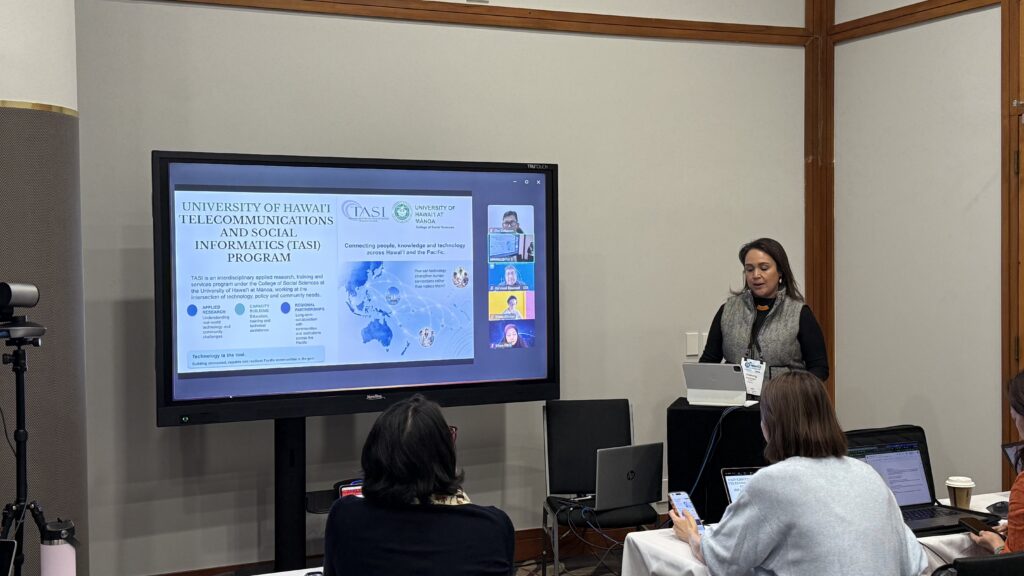
Representatives from both universities introduced SOI Pacific at APAN 62 and shared findings from recent fieldwork in Palau and Fiji. The University of Hawaiʻi team also introduced its Telecommunications and Social Informatics (TASI) program and activities in the Pacific.
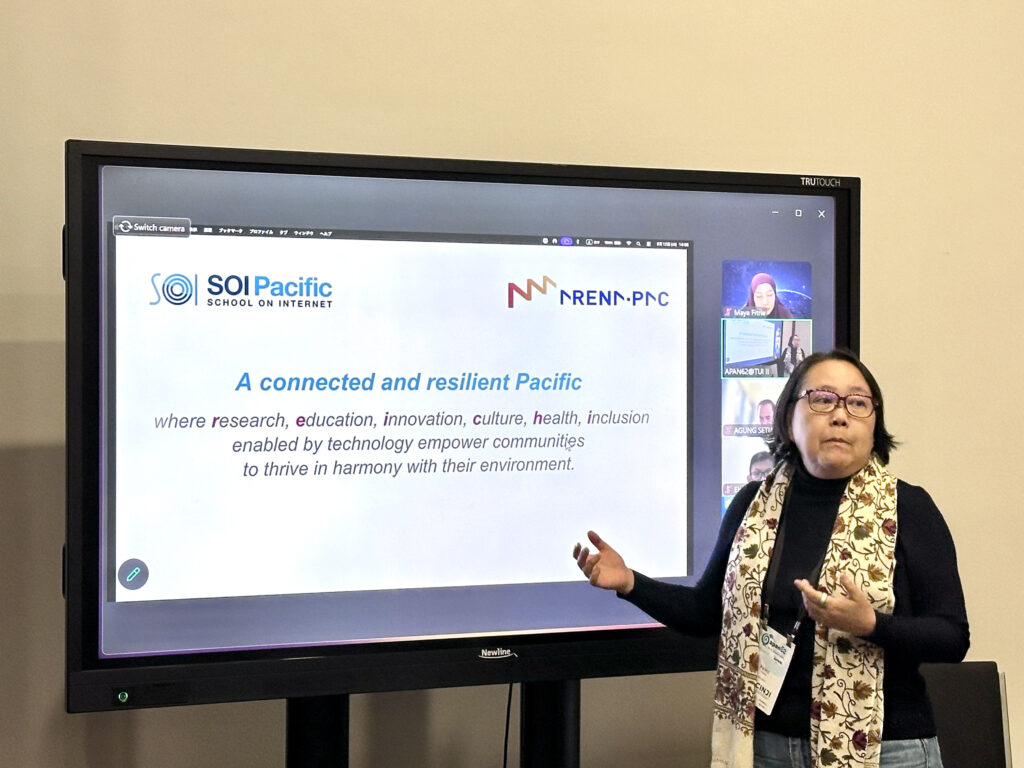
The presentation introduced SOI Pacific to the research and education community and explored how knowledge, cultures, and perspectives from the Pacific could connect with Open Science.
From Pacific Fieldwork to Open Science
SOI Pacific joined a session with SOI Asia’s Digital Humanities Asia/And Science Hub (DHASH) project as part of APAN’s e-Culture Special Interest Group (SIG).
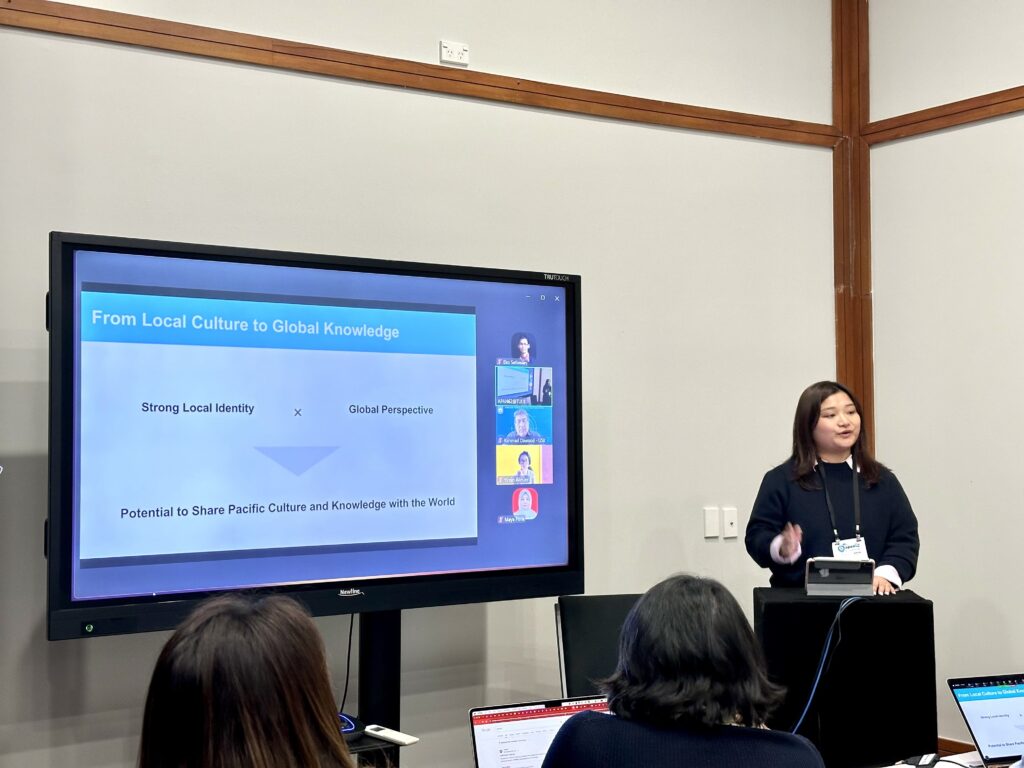
The presentation drew on SOI Pacific’s 2026 fieldwork in Palau and Fiji, with a focus on knowledge and culture, and the role younger generations could play in interpreting and sharing them.
One example came from a workshop with high school students in Palau, where students were asked to imagine Palau in 2036 through the theme “Let’s Create a Souvenir for Future Palau.” The workshop showed a combination of strong local cultural identity and a global perspective. Students expressed different views on Palauan culture and its future, while also thinking beyond Palau and expressing interest in studying or living abroad.
These observations raised a question for the SOI Pacific team: Could this combination of strong local cultural identity and a global perspective create new opportunities for younger generations to interpret and communicate their own cultural heritage?
This question also suggested a possible connection with DHASH. While still exploratory, future collaboration could examine how the perspectives of Pacific youth might contribute to community-centered approaches to digital cultural heritage, documentation, and preservation.
Palauan senators who met the SOI Pacific team during the fieldwork also highlighted the use of technology for cultural preservation, providing additional local context for the question raised at APAN. Further dialogue with communities and stakeholders will be needed to explore its relevance.
Looking Ahead
APAN 62 gave SOI Pacific an opportunity to engage with researchers, educators, and the research and education networking (REN) community across the Asia-Pacific region. Keynotes and sessions covered Open Science, digital infrastructure, cultural heritage, and regional collaboration.
As an initiative still at an early stage, SOI Pacific continues to focus on listening to local communities and understanding local contexts. APAN 62 provided a platform to share these early observations and begin wider discussions with SOI Asia, DHASH, and the Open Science community as SOI Pacific works toward its vision of a Connected and Resilient Pacific.